Category: Speeches

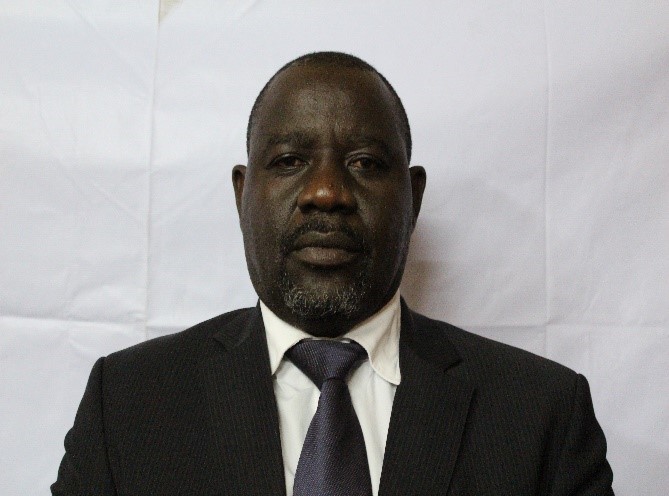
  • SPEECH READ BY ZANEC BOARD SECRETARY MR ROBERT SHULA DURING THE GAWE SDG STAKEHOLDER MEETING ON 30TH APRIL 2021

    SPEECH READ BY ZANEC BOARD SECRETARY MR ROBERT SHULA DURING THE GAWE SDG STAKEHOLDER MEETING ON 30TH APRIL 2021

    MINISTRY OF GENERAL EDUCATION PERMANENT SECRETARY AND OFFICIALS;

    MINISTRY OF HIGHER EDUCATION OFFICIALS;

    MINISTRY OF MINES REPRESENTATIVE;

    MINISTRY OF FINANCE REPRESENTATIVE

    MINISTRY OF NATIONAL PLANNING AND DEVELOPMENT REPRESENTATIVE

    LUSAKA CITY COUNCIL REPRESENTATIVE

    COOPERATING PARTNERS RESENT

    CIVIL SOCIETY ORGANISATIONS PRESENT

    ZANEC MEMBERS, BOARD AND STAFF PRESENT

    MEMBERS OF THE PRESS


    IT IS MY PRIVILEGE AND HONOUR TO WELCOME YOU ALL TO THIS STAKEHOLDERS MEETING ON SUSTAINABLE DEVELOPMENT GOALS (SDGS), WHICH FOCUSES ON THE THEME OF THE 2021 GLOBAL ACTION WEEK FOR EDUCATION “MORE AND BETTER FINANCING FOR EDUCATION”.   ZANEC IS GRATEFUL FOR YOU ALL WHO ARE PRESENT IN THIS MEETING AS THIS IS AN INDICATION OF HOW MUCH YOU VALUE EDUCATION.

    LADIES AND GENTLEMEN

    GAWE IS AN EVENT ORGANIZED BY THE GLOBAL CAMPAIGN FOR EDUCATION (GCE) TO ENCOURAGE MILLIONS AROUND THE WORLD TO SUPPORT THE DEMAND FOR FREE, PUBLIC, QUALITY AND INCLUSIVE EDUCATION FOR ALL. CIVIL SOCIETY ORGANISATIONS (CSOS) WHO ARE MEMBERS OF GCE IN EACH COUNTRY ORGANIZE ACTIVITIES IN THEIR OWN COUNTRY TO REMIND THEIR GOVERNMENTS TO KEEP THE PROMISES THEY MADE. AM EXCITED TO INFORM THE MEETING THAT IN ZAMBIA, GAWE IS LED BY ZANEC WHICH IS A MEMBER OF THE GCE.

    INDEED, THERE IS NEED FOR INCREASED FINANCING TO THE EDUCATION SECTOR AS THE CURRENT BUDGET ALLOCATIONS LEAVE MUCH TO BE DESIRED. THE CURRENT 11.5% ALLOCATION IS TOO LOW TO MEET THE NEEDS OF QUALITY PROVISION AS WELL AS ACCESS BY EVERYONE ELIGIBLE TO BE IN SCHOOL.

    UNFORTUNATELY FOR ZAMBIA, THE SHARE OF THE EDUCATION BUDGET HAS DROPPED IN THE LAST SIX YEARS FROM 20.3% IN 2015 TO 11.5% IN 2021. THE REDUCTION IN THE EDUCATION BUDGET NOTWITHSTANDING, THE QUALITY OF EDUCATION AT ALL LEVELS HAS ALSO EXPERIENCED A STEADY DECLINE OVER THE LAST DECADE. IT IS ALSO IMPORTANT TO MENTION THAT THE COVID 19 PANDEMIC HAS ALSO AFFECTED THE EDUCATION SECTOR IN THAT LEARNING IS NO LONGER TAKING PLACE THE WAY IT USED TO. FOR INSTANCE, THE NEED FOR SOCIAL DISTANCING IN SCHOOLS HAS LED TO MULTIPLE SHIFTS THEREBY REDUCING LEARNING HOURS.  THIS ALSO CALLS FOR MORE CLASSROOMS TO BE BUILT TO ALLOW FOR SOCIAL DISTANCING. SIMILARLY, THE REACH FOR ALTERNATIVE MODES OF EDUCATION PROVISION INVOLVING RADIO, TELEVISION AND E-LEARNING HAS REMAINED LOW. THESE CHANGES HAVE MADE EDUCATION EVEN MORE COSTLY.

    THEREFORE, AS ZANEC WE CALL ON THE GOVERNMENT TO CONSIDER INCREASING THE 2022 EDUCATION BUDGET FROM THE CURRENT 11.5% TO AT LEAST 20% IN LINE WITH THE COMMITMENTS THE COUNTRY HAS MADE THROUGH THE SADC AND CAIRO PROTOCOLS ON EDUCATION.

    ADDITIONALLY, BECAUSE OF THE COVD 19 PANDEMIC, THERE ARE STILL AROUND 260 MILLION OUT-OF-SCHOOL CHILDREN IN THE WORLD. A LOT NEEDS TO BE DONE TO REDUCE THE NUMBER OF OUT OF SCHOOL CHILDREN IN OUR COUNTRY IF WE ARE EVER GOING TO MEET THE SDG 4 AS A COUNTRY. THEREFORE, ADEQUATE FINANCING IS A MUST.  THERE IS NEED TO RAISE AWARENESS AND RESOURCES FOR THE NEED TO SPEED UP THE INTERVENTIONS TO REDUCE THE IMPACT THE COVID 19 HAS CAUSED ON OUR LEARNERS.


    LADIES AND GENTLEMEN

    IT IS IMPORTANT TO MENTION THAT THE GCE MOVEMENT HAS JOINTLY DEVELOPED A POLICY CALL TO ACTION FOR THE CAMPAIGN AND GAWE WILL WORK TOWARDS THE ACHIEVEMENT OF THE POLICY RECOMMENDATIONS AS SET OUT IN THAT DOCUMENT, FROM WHICH THE TOPLINE RECOMMENDATIONS FOR GOVERNMENTS ARE TO:

    • INCREASE STATE FUNDING FOR EDUCATION TO 20% OF PUBLIC EXPENDITURE.
    • INCREASE THE TAX BASE IN ORDER TO INCREASE RESOURCES, WORKING TOWARDS A MINIMUM TAX-TO-GDP RATIO OF 20%.
    • ENABLE URGENT DEBT CANCELLATION FOR THE LEAST DEVELOPED COUNTRIES; AND DEBT ALLEVIATION FOR MIDDLE AND UPPER-MIDDLE-INCOME COUNTRIES.
    • ENSURE INCLUSIVE EDUCATION SYSTEMS THROUGH EQUITABLE FINANCING AND PROGRAMMES THAT PRIORITISES THE MOST MARGINALISED.
    • PROVIDE FREE QUALITY EDUCATION FOR ALL AND END THE TREND TOWARDS THE PRIVATIZATION AND COMMERCIALIZATION OF EDUCATION.
    • IMPROVE THE QUALITY OF TEACHING THROUGH ADEQUATE RECRUITMENT, DEPLOYMENT, REMUNERATION AND CONTINUED TEACHER TRAINING.
    • LISTEN AND RESPOND TO THE VOICES OF THOSE AFFECTED. SPACE MUST BE ALLOWED FOR INDIVIDUALS AND CIVIL SOCIETY TO SPEAK UP.
    • DEVELOPED COUNTRIES MUST CONTINUE TO WORK TOWARDS THE GOAL OF 0.7% OVERSEAS AID, WITH 20% OF THIS SPENT ON EDUCATION, AND INCREASING THEIR CONTRIBUTIONS TO THE GLOBAL PARTNERSHIP FOR EDUCATION AND EDUCATION CANNOT WAIT.


    LADIES AND GENTLEMEN

    THIS MEETING WILL HAVE THREE PRESENTATIONS THAT WILL HELP US DELIBERATE FROM AN INFORMED PERSPECTIVE ON HOW WE ARE DOING IN TERMS OF MEETING THE TARGETS SET IN THE SDG 4 FROM BOTH THE GOVERNMENT AND CSOS. THE FOLLOWING ARE THE DETAILED PRESENTATIONS THAT WILL BE MADE TODAY:

    • ZAMBIA’S SNAP SHOT PERFORMANCE ON SDG 4 – GOVERNMENT PERSPECTIVE
    • ZAMBIA’S SNAP SHOT PERFORMANCE ON SDG 4 – CIVIL SOCIETY PERSPECTIVE
    • THE CASE FOR PUBLIC FINANCING FOR EDUCATION

    THEREFORE, I URGE ALL OF US HERE PRESENT TO PARTICIPATE ACTIVELY IN THE DELIBERATIONS OF THIS MEETING AS YOUR VALUABLE INPUT WILL GO A LONG WAY IN BETTERING THE EDUCATION SECTOR IN OUR COUNTRY.


    I THANK AND GOD BLESS YOU ALL


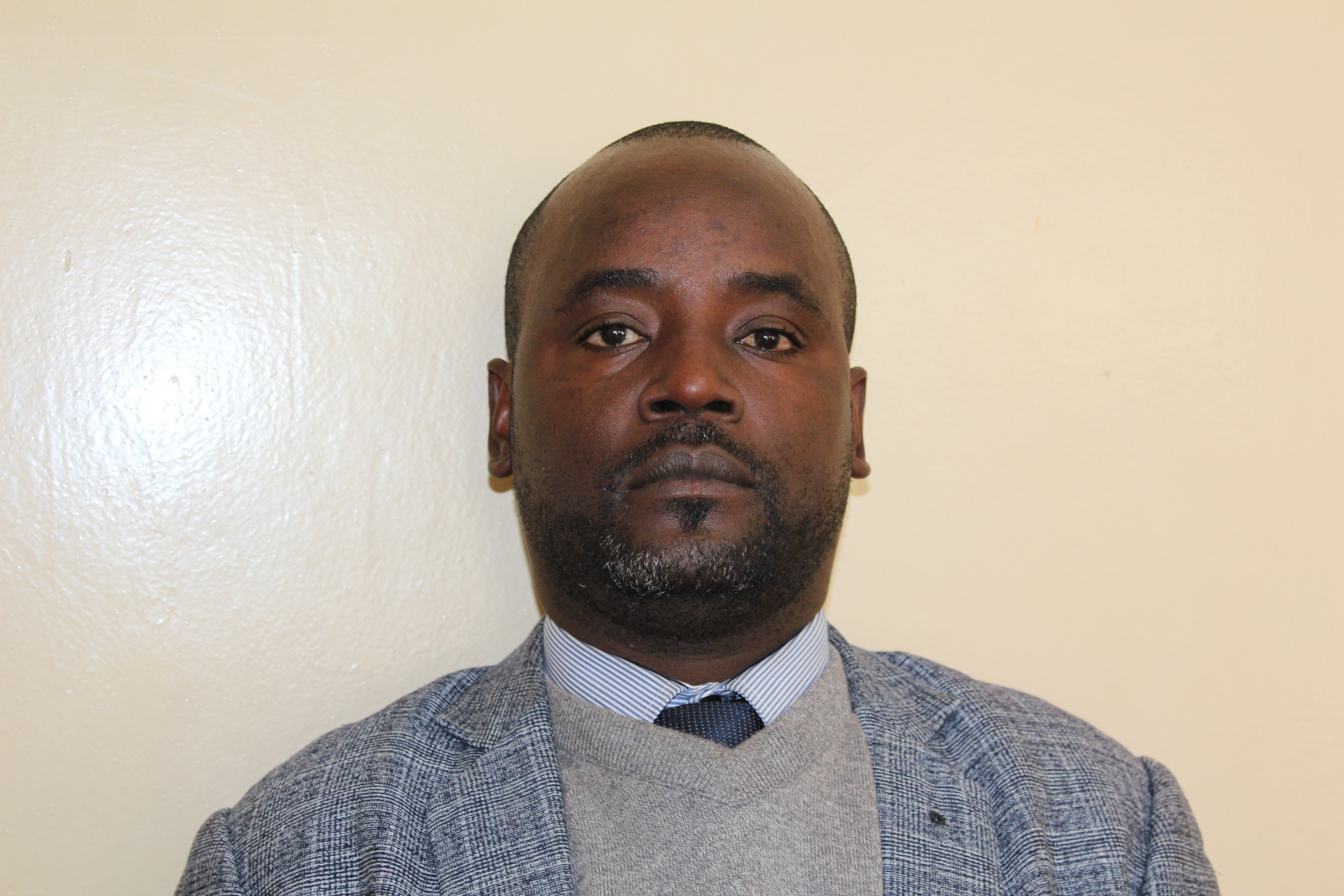
  • WELCOME REMARKS READ BY THE ZANEC CHAIRPERSON MR HENRY KABWE DURING THE OFFICIAL OPENING OF THE NATIONAL SYMPOSIUM ON IMPROVING QUALITY OF EDUCATION FOR CHILDREN WITH DISABILITIES HELD AT CRESTA GOLFVIEW HOTEL ON 4TH DECEMBER, 2020

    The Guest of Honour, Minister of General Education

    Members of Parliament Present

    Government Officials from various Ministries Present

    Lusaka Provincial Education Officer

    Lusaka District Education Board Secretary

    Civil Society Organisations Present

    Academicians and Teachers Present

    Learners with Disabilities Present

    ZANEC Board and Member Organisations Present

    Members of the Press Present

    May I simply say all protocols observed

    Ladies and Gentlemen

    It is my singular honor and privilege to welcome you all in this symposium which is part of the commemoration of this year’s International Day of Persons with Disabilities. Zambia National Education Coalition (ZANEC) is happy to host this symposium dubbed “Improving Quality Education for Children with Disabilities”.  Your presence shows your true commitment to the promotion of access to quality inclusive education for all our children.

    For those of you who may not be aware, ZANEC is a Coalition of non-state actors working in the Education and Skills Sector. The organisation is involved in research, advocacy and member capacity building on different aspects of the Education and Skills Sector in Zambia. ZANEC members comprise of Community Based Organizations (CBOs), Faith Based Organizations (FBO’s), Non-Governmental Organizations (NGOs), Teacher Trade Unions and Student Unions. The membership of ZANEC currently stands at 81 Member Organizations spread across the country.

    Ladies and Gentlemen

    The theme for this year’s International Day of Persons with Disabilities is “Building Back Better: toward a disability-inclusive, accessible and sustainable post COVID-19 World”. This theme reminds us of the need to reflect on our interventions and achievements in advancing the plight of persons with disabilities in Zambia. It is a time for us to review what we have done to ensure that our children with disabilities are empowered to thrive economically, socially, politically and culturally.

    However, it is sad to note that children with disabilities remain one of the main groups being widely excluded from access to quality education. Disability is recognised as one of the least visible yet most potent factors in educational marginalization. For ZANEC and many other progressive organisations as well as government, this scenario should not be the case. As stipulated in the Sustainable Development Goal (SDG) number 4 which explicitly calls member states of the United Nations “to ensure inclusive and equitable quality education and promote lifelong learning opportunities for all”. The SDGs call for access to quality education for all children by 2030, which requires strong action on inclusion of disadvantaged children, including those with disabilities. Further, the United Nations Convention on the Rights of Persons with Disabilities (UN) emphasizes on the right to education for children with disabilities. It is important to mention that through the National Disability Policy, the Disability Act, the 7th National Development Plan and the Education and Skills Sector Plan (ESSP), government has prioritized the provision of quality inclusive education for children with disabilities. However, the main concern is around the poor implementation of the existing policies and plans.

    Ladies and Gentlemen

    Am happy to inform you that in this National Symposium we will  have children with disabilities displaying their various skills showing that they are talented and if properly empowered can contribute tremendously to national development. There will also be paper presentations from experts in disability and inclusive education.  Further, the Symposium will come up with actions that will be used to lobby government and other key stakeholders to improve the welfare and access to quality education for children with disabilities.

    As ZANEC we are glad that the Ministries of General Education, Higher Education; Community Development and Social Services as well as Parliamentarians from the Education, Science and Technology Committee are present in this meeting. Therefore, lets feel free to discuss and bring out issues that the decision makers present will need to address in the education and skills sector pertaining to improving the education of children with disabilities.

    Ladies and Gentlemen

    As ZANEC we also take this opportunity to appreciate our funding partner Education Outloud (EOL) together with the Global Partnership for Education (GPE) for supporting this National Symposium.  We further thank them for many other funding support that they have given the Coalition to promote education through research and advocacy in Zambia.

    With these few remarks, I welcome you all once again to this important meeting, more so those who have travelled from the various Provinces across the country.

    Thank you all and may God Bless you

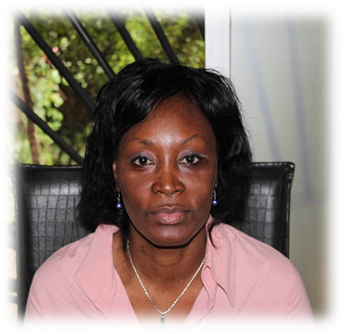
  • Speech by the ZANEC Board Member Mrs. Christine Nabeba Mwasiti during the Advocacy Initiative Meeting on the Impact of COVID 19 Pandemic in accessing equitable and inclusive quality education in institutions of higher learning: The case of Zambia. Held on 29th December, 2020

    Speech by the ZANEC Board Member Mrs. Christine Nabeba Mwasiti during the Advocacy Initiative Meeting on the Impact of COVID 19 Pandemic in accessing equitable and inclusive quality education in institutions of higher learning: The case of Zambia. Held on 29th December, 2020

    The Members of Parliament from the Education, Science and Technology Parliamentary Committee present

    Ministry of Higher Education Representative

    Higher Education Loans and Scholarship Board (HELSB) Representative

    Disaster Management and Mitigation Unit (DMMU) Representative

    Zambia Information and Communications Technology Authority (ZICTA) Representative

    Rural Electrification Authority (REA) Representative

    Mobile and Internet Data Providers Companies present

    Academicians from various universities present

    Students from various universities present

    ZANEC Members, Board and Staff present

    Members of the Press present

    May I Simply say Ladies and Gentlemen

    All Protocols Observed

    First and foremost, I would like to welcome you all distinguished guests to this advocacy initiative meeting entitled “Impact of COVID 19 Pandemic in accessing equitable and inclusive quality education in institutions of higher learning: The case of Zambia”.  As we may all be aware, the COVID 19 Pandemic has significantly impacted our society and our ways of life. It is further important to note that the education sector has not been left out.

    For those of you who may not be aware, ZANEC is a Coalition of non-state actors working in the Education and Skills Sector. The organization is involved in research, advocacy and member capacity building on different aspects of the Education and Skills Sector in Zambia. ZANEC members comprise of Community Based Organizations (CBOs), Faith Based Organizations (FBO’s), Non-Governmental Organizations (NGOs), Teacher Trade Unions and Student Unions. The membership of ZANEC currently stands at 81 Member Organizations spread across the country.

    Ladies and Gentlemen

    The impact of COVID 19 resulted in the closure of the learning institutions and students were forced to start attending virtual classes. The initiative was however hampered by a number of challenges including high cost of data bundles and poor connectivity in some places. Further, learners or students from vulnerable homes were not able to access the online learning because of lack of ICT gadgets for accessing internet. Lack of Electricity in some places was another huge impediment.

    Furthermore, most employees have lost jobs due to the economic challenges that have come as a result of COVID 19, while those in the informal sector are also facing serious economic challenges. Therefore, most parents were unable to raise the high fees that are required in higher learning institutions when they reopened. For some parents, this includes the fees for the deferred examinations that were set for December, 2020 in some of the institutions.

    Therefore, this meeting will discuss measures that can reduce the impact of COVID 19 and other future calamities on access to quality, equitable and inclusive higher and tertiary education.  This meeting will also deliberate on the effectiveness of online learning by examining issues of data costs and how institutions could improve online learning.  We will also discuss ways of reducing the overall impact of the COVID 19 pandemic on education. It is important to mention that in this meeting we have not only invited the traditional education actors but also organisations and companies such as DMMU, ZICTA, REA as well as companies that provide online services and data like Zamtel, Airtel, MTN to show that quality access to education that is all inclusive especially in the modern times and during calamities like COVID 19 calls for concerted effort by all. Gone are the days when we were working in isolation.  It is also for this reason that the Education and Skills Sector Plan (ESSP) as well as other national development plans promote integration between ministries and various government departments as an effort to ensure that no one is left behind. This meeting will provide a platform for dialogue that will provide solutions and / or approaches for sustaining learning at home that is inclusive as provided for under Sustainable Development Goal (SDG) 4 which calls on states to ensure inclusive and equitable quality education and promote lifelong learning opportunities for all.

    The aim of this meeting therefore, ladies and gentlemen is to advocate for access to sustained inclusiveness and equitable education whether physical or remotely in our institutions of higher learning. Furthermore, academic freedom for students should be always upheld even amidst calamites like COVID 19.

    Ladies and Gentlemen

    ZANEC would also like to take this opportunity to thank our partners the Youth Empowerment and Transformation Trust (YETT) for their support which is part of their regional project dubbed “Student Academic Freedom Regional Advocacy Program (SAFRAP)”, whose main aim is to create an inclusive environment within which students can participate in the governance and pursuit of inclusive, equitable quality higher and tertiary education. We therefore, appreciate YETT for making funds available to hold this meeting.

    Finally, I urge us all to participate fully in the deliberations of this meeting.

    I thank you and God bless you all.

  • Speech Read by the ZANEC Board Member Mrs. Christine Nabeba Mwasiti during the Advocacy Initiative Meeting on How to Sustain the Student Movement and uphold Academic Freedoms in Higher Learning Institutions in Zambia held on 28th December 2020

    Speech Read by the ZANEC Board Member Mrs. Christine Nabeba Mwasiti during the Advocacy Initiative Meeting on How to Sustain the Student Movement and uphold Academic Freedoms in Higher Learning Institutions in Zambia held on 28th December 2020


    The Members of Parliament from the Education, Science and Technology Parliamentary Committee

    Ministry of Higher Education Representative

    Zambia Qualifications Authority Representative

    Higher Education Authority Representative

    Technical Education, Vocational and Entrepreneurship Training Authority Zambia Representative

    Academicians from various universities present

    Students from various universities present

    ZANEC Board members present

    ZANEC members present

    Members of the Press

    May I Simply say distinguished invited guests Ladies and Gentlemen, all Protocols Observed,

    We are delighted as Zambia National Education Coalition to welcome you all to this Advocacy Initiative Meeting dubbed “How to Sustain the Student Movement and uphold Academic Freedom in Higher Learning Institutions in Zambia”. Your presence shows how you value education in our higher learning institutions and we appreciate that as an organisation.

    The meeting has been initiated because as ZANEC we want to see higher learning institutions that promote, respect and observe the tenets of academic freedoms. This is because Academic freedoms are necessary for the academics and academic institutions to engage in deeper enquiry that can produce solutions to our social and economic problems. The non-observance of academic freedom is said to have a direct effect on the quality of education as well as research and it has an impact on society in the long term. AS you are aware, academic freedoms are rights that lecturers and students have to teach, study and pursue knowledge and research without unreasonable interference or restriction from law, institutional regulation or public pressure.

    Ladies and Gentlemen

    It has been observed that students suffer the most when there is unrest in institutions of higher learning. In some instances, universities in our country have even banned student unions. Furthermore, when riots occur, a lot of innocent students are expelled or suspended. Worse still, there is no clear law that safeguards the rights of student union leaders in this country.

    Therefore, this meeting shall seek to find means and ways of addressing student intimidation and non-observance of academic freedoms.   We are hopeful that we shall, through the review of the different legislation make proposals on how we can address the gaps in the existing laws.

    Furthermore, the aim of this meeting is to advocate for the protection of student union leaders and lecturers from harassment by management in their institutions. Furthermore, this meeting will raise awareness on the need to uphold and recognize student academic freedom in order to promote inclusive and equitable access to tertiary education as provided for in the Sustainable Development Goal number 4.

    Tertiary and Higher Education are key to ensure that the labour force responds to the needs of the economy and ultimately contributes to National Development. ZANEC will therefore continue to advocate that the quality of education offered in these institutions create a thriving environment for lecturers and students as a whole.

    Ladies and Gentlemen

    ZANEC is excited to inform you our distinguished guests that this meeting is being held in partnership with Youth Empowerment and Transformation Trust (YETT) at regional level through a project dubbed “Student Academic Freedom Regional Advocacy Program (SAFRAP)”, whose main aim is to create an inclusive environment within which students can participate in the governance and pursuit of inclusive, equitable and quality higher and tertiary education. We therefore, take this opportunity to appreciate YETT for making funds available to hold this meeting.

    Finally, I urge all of us to participate fully in the deliberations of this meeting.

    I thank you and God bless you all.

  • SPEECH TO BE READ BY THE ZANEC BOARD MEMBER MR. CHISENGA MUMBA DELIVERED DURING THE WORLD LITEARACY DAY HELD ON 10TH SEPTEMBER, 2019 IN NDOLA, CENTRAL PROVINCE

    SPEECH TO BE READ BY THE ZANEC BOARD MEMBER MR. CHISENGA MUMBA DELIVERED DURING THE WORLD LITEARACY DAY HELD ON 10TH SEPTEMBER, 2019 IN NDOLA, CENTRAL PROVINCE

    THE GUEST OF HONOUR,

    GOVERNMENT OFFICIALS PRESENT,

    CIVIL SOCIETY ORGANISATIONS PRESENT,

    MEMBERS OF THE PRESS,

    LADIES AND GENTLEMEN,

    MAY I SIMPLY SAY ALL PROTOCOLS OBSERVED.

    LADIES AND GENTLEMEN,

    IT IS MY SINGULAR HONOUR AND PRIVILEGE TO DELIVER THIS SPEECH ON BEHALF OF THE ZAMBIA NATIONAL EDUCATION COALITION (ZANEC) AND THE BROADER CIVIL SOCIETY.  FOR THOSE OF YOU WHO MAY NOT BE AWARE, ZANEC IS AN UMBRELLA ORGANISATION OF NGOS WORKING IN THE EDUCATION AND SKILLS SECTOR. CURRENTLY, ZANEC HAS 72 MEMBERS THAT INCLUDE COMMUNITY BASED ORGANIZATIONS, FAITH BASED ORGANIZATIONS, NON-GOVERNMENTAL ORGANIZATIONS, TEACHER TRADE UNIONS AND STUDENT UNIONS WORKING IN THE EDUCATION SECTOR COUNTRYWIDE. OUR MISSION IS TO SERVE AS A NATIONAL COALITION OF EDUCATION ORGANIZATIONS PROMOTING QUALITY AND INCLUSIVE EDUCATION FOR ALL THROUGH RESEARCH, ADVOCACY AND MEMBER CAPACITY BUILDING.  ZANEC MAINLY WORKS THROUGH FIVE EDUCATION THEMATIC SUBSECTORS NAMELY EARLY CHILDHOOD, CARE, DEVELOPMENT AND EDUCATION (ECCDE); PRIMARY AND SECONDARY EDUCATION; GENDER EQUALITY; TERTIARY AND SKILLS DEVELOPMENT; AND THE YOUTH AND ADULT LITERACY SUBSECTOR.

    LADIES AND GENTLEMEN

    WE ARE EXCITED AS A COALITION TO BE PART OF THIS YEAR’S COMMEMORATION OF THE WORLD LITEARACY DAY, THE REASON FOR WHICH WE ARE ALL GATHERED HERE. AS YOU ARE AWARE, THE MAIN CHALLENGE THAT OUR EDUCATION SYSTEM IS CURRENTLY FACING IS THE LOW LITERACY LEVELS EVEN AMONG OUR CHILDREN AT PRIMARY SCHOOL LEVEL.  AS WE HEARD FROM OUR EXPERTS DURING THE NATIONAL SYMPOSIUM PRESENTATIONS YESTERDAY, SOME RECENT STUDIES SHOW THAT ONLY 5% OF OUR GRADE 7 PUPILS ARE ABLE TO READ AND WRITE. THIS IN ITSELF SHOWS THAT OUR EDUCATION SYSTEM IS EXPERIENCING A LITEARACY CRISIS AND SOMETHING NEEDS TO BE DONE NOW TO REVERSE THE CURRENT STATUS.

    THIS YEAR’S THEME LADIES AND GENTLEMEN, WHICH IS “LITERACY AND MULTI – LINGUALISM” RE-AFFIRMS THE IMPORTANT ROLE THAT LITERACY PLAYS IN A PERSON’S WELLBEING AND THE ABILITY TO CONTRIBUTE TO NATIONAL DEVELOPMENT. LITERACY, WHICH SIMPLY REFERS TO ONE’S ABILITY TO READ AND WRITE IS IMPORTANT ESPECIALLY IN THIS ERA WHERE ALMOST ALL FORMS OF TRANSACTIONS REQUIRE SOME LEVEL OF PROFICIENCY IN READING AND WRITING.

    KNOWING HOW TO READ AND WRITE IN YOUR MOTHER LANGUAGE ALONE IS INADEQUATE ESPECIALLY IN THIS MODERN GLOBAL VILLAGE.  INSTEADY, HAVING PROFICIENCY IN MULTIPLE LANGUAGES BECOMES IMPORTANT FOR EFFECTIVE INTERCULTURAL INTERACTION, SOCIALISATION AND GLOBAL DEVELOPMENT. HAVING A WORKING KNOWLEDGE OF MANY LANGUAGES IS ALSO KEY IN FOSTERING PEACE AND STABLE ECONOMIC DEVELOPMENT. IN A GLOBALISED WORLD LIKE THE ONE WE LIVE IN, BEING ABLE TO NEGIOCIATE AND BARGAIN IN PEOPLE’S NATIVE LANGUAGE, WHETHER IT BE CHINESE, ENGLISH OR FRENCH, INCREASES THE CHANCES OF BUILDING LASTING ECONOMIC RELATIONSHIPS. THIS IS BECAUSE PEOPLE ARE MORE LIKELY TO UNDERSTAND AND TRUST YOU WHEN YOU SPEAK THEIR LANGUAGE.

    LADIES AND GENTLEMEN

     ZANEC NOTES WITH SADNESS, HOWEVER, THAT ILLITEARACY LEVELS REMAIN VERY HIGH IN ZAMBIA. AS EVIDENCED FROM THE DEMOGRAPHIC SURVEY PUBLISHED BY THE CENTRAL STATISTICAL OFFICE, 68 PERCENT OF WOMEN AND 83 PERCENT OF MEN BOTH AGED 15 TO 49 ARE LITERATE, WHILE ONLY 54 PERCENT OF RURAL WOMEN ARE LITERATE. 

    THIS LADIES AND GENTLEMEN UNDERSCORES THE URGENT NEED FOR GOVERNMENT AND STAKEHOLDERS TO PUT A PREMIUM ON PROMOTING LITERACY IF ZAMBIA IS TO ACHIEVE ITS EDUCATION SECTOR GOALS AND THE VISION 2030 OF NOT LEAVING ANYONE BEHIND.  THERE IS THEREFORE URGENT NEED TO PRIORITISE LITERACY IN OUR COUNTRY IN ORDER FOR US TO BENEFIT FROM THE INVESTMENT THAT WE ARE MAKING IN THE EDUCATION SECTOR.

    LADIES AND GENTLEMEN

    WE ALSO TAKE THE OPPORTUNITY TO APPEAL TO OUR GOVERNMENT THROUGH THE MINISTRY OF FINANCE TO ALLOCATE AT LEAST 20% OF THE NATIONAL BUDGET TO THE EDUCATION AND SKILLS SECTOR. THROUGH OUR ANALYSIS OF THE 2019 NATIONAL BUDGET TO THE EDUCATION AND SKILLS SECTOR, WE OBSERVED WITH CONCERN THAT THE ACTUAL ALLOCATION TO YOUTH AND ADULT EDUCATION HAD BEEN REDUCED BY 31%.

    LADIES AND GENLEMEN

    AM HAPPY TO INFORM YOU THAT YESTERDAY WE HELD A SUCCESFUL NATIONAL SYMPOSIUM ON LITERACY WHERE A NUMBER OF CONCERNS WERE DELIBERATED ON SUCH AS HOW TO IMPROVE LITERACY LEVELS IN OUR BELOVED COUNTRY. WE ARE HOPEFUL AS CIVIL SOCIETY THAT THE MINISTRY OF GENERAL EDUCATION AND ALL OF US STAKHOLDERS WILL ACT UPON THE RECOMMENDATIONS AND ACTION POINTS THAT WERE AGREED UPON AT THE SYMPOSIUM. IT IS OUR HOPE THAT OUR COLlEAGUES FROM THE MEDIA WILL ALSO WIDELY DISSEMINATE THE COMMUNIQUE ISSUED DURING THE SYMPOSIUM IN ORDER TO FOSTER INCREASED AWARENESS AND ACTION FOR IMPROVED LITERACY LEVELS IN OUR COUNTRY. FINALLY LADIES AND GENTLEMEN, I WOULD LIKE TO WISH ALL OF YOU A FRUITFUL WORLD LITERACY DAY COMMEMORATION. I THANK YOU AND MAY GOD BLESS YOU ALL.

  • Official Opening Speech read by the Ministry of General Education Permanent Secretary (PS) Administration during the National Engagement Meeting on Strengthening School Governance and Gender Equality Tuesday 17th July, 2018

    Official Opening Speech read by the Ministry of General Education Permanent Secretary (PS) Administration during the National Engagement Meeting on Strengthening School Governance and Gender Equality Tuesday 17th July, 2018

    Government Officials

    Members of Parliament (MPs)

    World Bank Representative

    Mentor Teachers

    Learners

    Civil Society Organisations

    ZANEC Board Members

    ZANEC Member Organisations

    Members of the press

    All protocols observed


    Ladies and Gentlemen

    It is my singular honor and privilege to deliver this official opening speech to you our distinguished guests.

    I also take this opportunity to thank ZANEC for providing this space to hold the National Engagement on Strengthening Governance and Gender Equality in our Schools. Indeed, these are matters close to our hearts as Education Sector duty bearers.

    Ladies and Gentlemen

    Schools belong to their communities. Governance is the mechanism through which a community claims ownership of schools. Therefore, the involvement of the learners and community in the management of the school is very important in achieving positive learner outcomes.

    In particular, participation can help to deepen democracy, strengthen social accountability, facilitate efficiency and sustained growth, promote pro-poor initiatives, equity and social justice. It can also be noted that the goals in participatory governance are essential components of the United Nations Development Agenda. This is also key in achieving social accountability as participation begets a strong sense of ownership.

    Ladies and Gentlemen

    This meeting will enlighten us on the key issues that the learners and communities brought out in the scorecard process, which is a strategy to promote participatory school governance. It will also allow stakeholders to appreciate and address the challenges the learners face in their learning process.

    There has been a lot of evidence that schools that are using participatory school governance through involving the learners (pupils), parents, key stakeholders in the community in the management of the school are doing well in terms of having positive learner outcomes. The schools are also able to provide a conducive learning environment for both the learners and the teachers to thrive.  For example I am informed that schools in Chadiza and Vubwi Districts that are part of this initiative have been able to build more toilets and additional classrooms, acquire more computers, reduce absenteeism from the learners and the learners have become more assertive in expressing themselves.

    The issue of gender equality in our schools is paramount as it sets a tone for female participation in national development issues. It is of grave concern to us as government when we hear of the girl child facing challenges that lead to their dropping out of schools. It is sad to note that according to the 2016 Education Statistical Bulletin it was reported that 11, 765 girls in primary schools and 3,457 in secondary schools became pregnant and dropped out of school, as such a total of 15,222 dropped out of school in 2016 alone. As the government we are delighted to know that this initiative supports and promotes the implementation of the Re-entry Policy that assures that the girl child goes back to school after delivering the baby.

    We are also aware of the various other challenges contributing to gender inequality in schools such as distance, lack of gender sensitive amenities, sexual abuse and indeed community attitudes.

    It is because of this that we, as government have taken keen interest in initiatives such as this which promote gender equality in our schools.  We are happy to receive views and recommendations on how we will make education equally accessible to both girls and boys. This resonates well with our national focus of ensuring that no one is left behind.

    Therefore, government through the Ministry of General Education wants to affirm its support and commitment to the promotion of participatory school governance and gender equality as it is evident that schools perform well when this principle is followed.

    Ladies and Gentlemen

    I know the importance of the work you all do. Your presence here reflects the commitment you have in having strengthened school governance that promotes gender equality. This is because concerted effort is needed to having quality education for every Zambian regardless of the gender, physical and mentor outlook.  I therefore urge you to listen attentively and participate fully in the deliberations of this meeting.

    I now declare this platform officially opened. I thank you for your attention.


  • WELCOME REMARKS BY THE ZANEC CHAIRPERSON MR. KABIKA KAKUNTA DURING THE NATIONAL ENGAGEMENT MEETING ON STRENGTHENING SCHOOL GOVERNANCE AND GENDER EQUALITY AT THE RADISON BLU HOTEL, LUSAKA,

    WELCOME REMARKS BY THE ZANEC CHAIRPERSON MR. KABIKA KAKUNTA DURING THE NATIONAL ENGAGEMENT MEETING ON STRENGTHENING SCHOOL GOVERNANCE AND GENDER EQUALITY AT THE RADISON BLU HOTEL, LUSAKA,

    The Guest of Honour PS Administration from the Ministry of General Education

    Members of Parliament  (MPs)

    Government Official

    Mentor Teachers and Learners

    ZANEC Member Organisations

    Other Civil Society Organisations  

    Members of the Press

    May I simply say all protocols observed,

    It is my singular honour and privilege to welcome you all to this engagement meeting. Your presence this morning shows your commitment towards promoting access to quality education for every Zambian.

    This meeting is dubbed “National Engagement Meeting on Strengthening School Governance and Gender Equality”.  ZANEC implements various activities to promote strengthening of school governance and gender equality as we believe this is one of the panaceas of achieving quality education for all Zambians. Over the last four years, ZANEC  and its Member Organisation Forum for African Women Educationalist in Zambia (FAWEZA) in partnership with Plan International Zambia and support from DANIDA embarked on a Good School Project which contributes towards achieving this.

    ZANEC has convened this meeting today because it recognises the importance of school governance and gender parity in increasing access to quality education that bring about positive learner outcomes at all levels of education.


    Ladies and Gentlemen

    Research has shown that participatory school governance can serve as an entry point to raising institutional performance in the delivery of education services. Participatory governance can discourage poor utilization of resources which directly affects performance of the education and skills sector.  This is because it promotes Social Accountability which in turn provides checks and balances in a school setup where people in the community and learners themselves are involved in the management of the school.

    Promotion of gender equality is equally of importance in our schools in Zambia. It is for this reason that girls and boys have to be given an opportunity to attain education. However, research has shown that girls are more disadvantaged because of the challenges that they face such as early child pregnancies, early child marriages and negative traditional practices that retard and stop education progress of the girl child.  A lot of people are not aware of the Re-entry Policy that enables girls to go back to school during and after pregnancy.

    Ladies and Gentlemen

    ZANEC supports participation in decision-making for girls and boys, building their capacity to identify and address various problems in their school (for example, relationships, behaviours and resources), which may affect their performance and completion of school. In doing so, we have also taken keen interest in ensuring the involvement of learners with special education need. The key social accountability methodologies used in this project are the Notice Board Initiative and a child-friendly scorecard approach, adaptable for the use of children within different age groups.


    This scorecard process enables girls and boys as the key service users and rights holders in education to identify their chief concerns within schools and to raise these with their duty-bearers. They are given the opportunity to assess the performance of their schools in terms of quality and transparency, leading them to participate in planning.


    By providing a space for girls and boys to consider their priorities separately, the scorecard approach aims to improve gender sensitivity and draw out different needs. Trained Mentor Teachers in each school facilitate the scorecard process and help to facilitate the establishment or strengthening of girls and boys’ councils in schools and other relevant clubs, e.g. girls’ safe clubs or gender clubs with both girls and boys participating. This strategy has worked very well in the target schools.


    Ladies and Gentlemen

    The issues from the scorecard process have indicated that there is inadequate infrastructure in most schools such as classrooms, toilets, libraries, computer laboratories, teachers’ houses and inadequate water points. Other challenges faced by the learners include inadequate computers. For example, one computer is being shared by fifteen learners. In terms of gender there are no sanitary pads being distributed in schools in spite of the government allocating funds towards this initiative in the 2017 and 2018 budgets. As if this were not enough, the toilets are not gender sensitive.


    Some successes have been achieved from participatory school governance through the involvement of the Community Action Groups (CAGs).  For example more toilets, teachers’ houses and classrooms have been built.  There has also been reduced absenteeism among the learners.  However, more needs to be done to address the challenges that learners face in schools.


    With regards to gender issues, ladies and gentlemen, early pregnancies and child marriages have increased the number of out of school children. It has become increasingly important that drastic measures are put in place to bring an end to this scourge. Through our interaction with the different stakeholders in this project it is evident that the inadequate boarding facilities in our schools make girls susceptible to increased possibility of uninformed sexual activity, abuse and peer pressure. This is especially so for those who are left unsupervised because they resort to weekly boarding in order to access education facilities. Some negative cultural beliefs and behaviours have also contributed to early teenage pregnancies and child marriages.


    It is crucial that sensitization is increased especially in places where teenage pregnancies and early child marriages have escalated. It is also important that the girls who have dropped out of school because of pregnancies are taken back to school through the Re-entry Policy.


    Additionally, it is important that the Re-entry Policy is taken seriously and implemented by all well-meaning Zambians as it will bring to the reality of ‘not leaving any one behind’ as stipulated in Seventh National Development Plan and the Vision 2030.


    Finally, Mr. PS, ZANEC takes this opportunity to earnestly appeal to the government, particularly the Ministry of Finance, to increase the budgetary allocation for subsequent National Budgets to the Education and Skills Sector from the current 16.1% to a minimum of 20% as per the Cairo Protocol on Education.  It is very sad to note that in spite of all the challenges the education sector is facing, the annual allocations have been taking a nose-dive over the last five years. It is our hope that the 2019 budget will take heed of our strong recommendation and speak to the realities on the ground by increasing the Education and Skills Sector budget to a minimum 20% of the national budget. It is only then that we can truly achieve our national goal of leaving no one behind by ensuring complete access to quality education for each and every Zambian.


    Ladies and Gentlemen

    As ZANEC, we strongly believe that we all play a big role in ensuring that participatory good school governance and gender equality is strengthened in our schools in communities and the country at large. I therefore, urge everyone present to participate actively in the deliberations of this meeting as your contributions are of high value to the outcomes of this workshop.


    Thank you and God bless you all!

  • THE SPEECH READ BY ZANEC EXECUTIVE DIRECTOR DURING  THE JOINT EDUCATION SUBSECTOR COMMITTEE MEETING ON WEDNESDAY 28TH FEBRUARY, 2018

    THE SPEECH READ BY ZANEC EXECUTIVE DIRECTOR DURING THE JOINT EDUCATION SUBSECTOR COMMITTEE MEETING ON WEDNESDAY 28TH FEBRUARY, 2018

    ZANEC BOARD MEMBERS,

    ZANEC MEMBER ORGANISATIONS,

    ZANEC EXECUTIVE DIRECTOR,

    ALL PROTOCOLS OBSERVED,


    LADIES AND GENTLEMEN,

    FIRST OF ALL I WELCOME YOU ALL TO THIS IMPORTANT MEETING. I ALSO TAKE THE OPPORTUNITY TO SALUTE THOSE OF YOU THAT HAVE COME FROM OUTSIDE LUSAKA FOR TAKING THE TIME TO TRAVEL TO BE PRESENT AT THIS MEETING. YOUR PRESENCE IS A CLEAR DEMONSTRATION OF HOW YOU VALUE YOUR MEMBERSHIP TO THE COALITION.

    THIS MEETING IS “DUBBED A JOINT SUBSECTOR MEETING” WHERE WE WILL BE SHARING THE 2018 ANNUAL WORK PLAN AND BUDGET FOR THE COALITION.  THIS MEETING IS OF GREAT SIGNIFICANCE AS IT AIMS TO HELP US MOVE TOGETHER IN ENSURING THAT ‘NO ONE IS LEFT BEHIND’ IN RECEIVING QUALITY EDUCATION IN ZAMBIA. THIS MEETING THEREFORE, WILL PROVIDE GUIDANCE ON HOW, AS A COALITION, WE WILL ENDEAVOR TO MAINSTREAM GENDER, EQUALITY AND SOCIAL INCLUSION IN OUR WORK. AS YOU MAY ALL BE AWARE THE FIVE (5) EDUCATION SUBSECTOR COMMITTEES ARE ALIGNED TO NATIONAL EDUCATION AND SKILLS SECTORS. THE SUBSECTORS ARE DELIBERATELY DESIGNED TO FACILITATE THE PARTICIPATION OF YOU THE MEMBER ORGANISATIONS IN COALITION ACTIVITIES.

    LADIES AND GENTLEMEN

    PLANNING, COMMUNICATION AND SHARING IS KEY IN THE SUCCESSFUL DELIVERY OF THE 2018 ACTIVITIES AND IN THE LONG TERM ACHIEVEMENT OF THE STRATEGIC GOAL IN OUR FIVE YEAR STRATEGIC PLAN THAT RUNS FROM 2016 TO 2020.  AS THE SAYING GOES THOSE WHO DO NOT PLAN HAVE ALREADY PLANNED TO FAIL.  I THEREFORE, URGE ALL OF YOU GATHERED HERE TODAY TO TAKE THIS MEETING SERIOUSLY AND SHARE THE DELIBERATIONS AND OUTCOMES OF THIS MEETING WITHIN YOUR ORGANISATIONS, AS IT WILL ALLOW FOR EFFECTIVE AND SUSTAINABLE IMPLEMENTATION OF THE 2018 ANNUAL WORK PLAN AND BUDGET.


    I ALSO TAKE THIS OPPORTUNITY TO APPEAL TO ALL OF US ZANEC MEMBER ORGANISATIONS TO SHARE ACTIVITY REPORTS MONTHLY, QUARTERLY AND EVEN ANNUALLY WITH ZANEC SECRETARIAT SO THAT WE MOVE AT THE SAME PACE AND HAVE A HOLISTIC APPROACH TO COALITION INTERVENTIONS AND REPORTING.

    LADIES AND GENTLEMEN

    THE BOARD OF GOVERNORS TAKES THIS OPPORTUNITY TO ENCOURAGE THOSE OF YOU OPERATING FROM OUTSIDE LUSAKA TO BE PARTICIPATING ACTIVELY IN THE EDUCATION SUBSECTOR COMMITTEE’S QUARTERLY MEETINGS AND OTHER RELATED ACTIVITIES. I AM  AWARE THAT THE SECRETARIAT ARE STRIVING THIS YEAR AND BEYOND TO INVOLVE MEMBERS OUTSIDE LUSAKA IN THE SUBSECTOR ACTIVITIES IN AN EFFORT TO BALANCE THE PARTICIPATION OF MEMBERS IN COALITION ACTIVITIES, THEREBY HAVING A HOLISTIC APPROACH IN FOSTERING QUALITY EDUCATION FOR EVERY ZAMBIAN.  IT IS VITAL TO NOTE THAT THE PARTICIPATION IS IN A LOT OF FORMS AND DOES NOT ONLY MEAN PHYSICAL PRESENCE.

    I THEREFORE URGE YOU ALL TO LISTEN ATTENTIVELY AND PARTICIPATE IN THE DELIBERATIONS OF THIS MEETING AS THE 2018 ZANEC WORK PLAN AND BUDGET IS THE RESPONSIBILITY OF ALL OF US GATHERED HERE TODAY TO ENSURE THAT IT IS SUCCESSFULLY AND EFFECTIVELY IMPLEMENTED.

    MAY I CONCLUDE BY EMPHASING OUR RESOLVE AS BOARD OF GOVERNORS THROUGH YOU TO ENSURE THAT EACH SUBSECTOR COMMITTEE FOCUSES ON ONE STRATEGIC DELIVERABLE FOR 2018 TO WHICH ALL OF US AS INDIVIDUAL ORGANISATIONS AND COLLECTIVELY WILL RALLY TO ACHIEVE BY DECEMBER. THIS IS SO THAT IN 2019 WE TAKE ON OTHER ISSUES.

    MAY GOD BLESS YOU ALL!

  • Welcome Speech at the ZANEC 7th General  Assembly  held on the 24th November, 2017 at Mika Hotel in Kabulonga, Lusaka

    Welcome Speech at the ZANEC 7th General  Assembly  held on the 24th November, 2017 at Mika Hotel in Kabulonga, Lusaka

    The Guest of Honor;

    Board Members;

    Coalition Members;

    ZANEC Executive Director and Secretariat staff.

    Ladies and Gentlemen, Guest of Honour,

    It is my singular honor and privilege to deliver this speech during our 7th General Assembly. Let me mention from the onset that this General Assembly is different as it is the first to be conducted under the amended Constitution. This means that the agenda for this General Assembly does not include elections since the constitution now allows for a term of four years for the Board of Governors.

    The theme for this year’s General Assembly is: “Developing a Sustainable Coalition through effective Partnerships”.  The decision to arrive at this theme is against the background that it has become more than necessary for Civil Society to understand that participation in the spaces provided for us to make improvements in the Education and Skill Sector are enhanced and maximized through partnerships.

    Ladies and Gentlemen, Guest of Honour,

    Annually the Coalition arrives at mutually agreed upon work plans that harness our shared values and systems. It is for this reason that our planned activities include capacity enhancement; networking at the national, sub regional and international level; and designing of tools for monitoring and evaluating the outcome of these efforts. The idea behind the theme is to prepare the Coalition to remain resilient, be strong, resourceful, and sustainably resourced both financially and technically.

    Ladies and Gentlemen, Guest of Honour,

    Since its inception, the Coalition has been and continues to create partnerships that allow for us to progressively move towards achieving our goal of advocating for quality education for every Zambian. We therefore recognize the operating space provided by our government through the Ministries responsible for Education. It is our desire to continue working in partnership with the Ministries responsible for Education and Skills to ensure that qualitative and quantitative improvements are realized in the Education and Skills Sector.

    Ladies and Gentlemen, Guest of Honour,

    The year 2017 has seen the increased interest for CSOs to become members of the Coalition. Not only so but in our individual capacity we have realized that creating synergies with fellow CSOs such as Civil Society for Poverty Reduction, the Civil Society Poverty Observatory Group, OXFAM Zambia just to mention a few; are important if we are to be significantly involved in monitoring progress made in the sector.

    Ladies and Gentlemen, Guest of Honour,

    In line with our theme for this General Assembly, for us to be a sustainable Coalition, especially financially, we must be able to think outside the box. Reductions in traditional forms of funding globally and locally mean that as a Coalition, we must seek alternative sources of income. It is important to note that overcoming dependency on external sources is a challenge which as a Coalition we are struggling with. As such to gain any form of sustainability as a Coalition we must be able to “Strategically and effectively handle change.” It is for this reason that as a Board, in close liaison with ZANEC’s Management, our vision is to have a ZANEC House by the close of 2019.

     Ladies and Gentlemen, Guest of Honour,

    As we are gathered here today in order to ensure our sustainability and management of effective partnerships, I call on all Coalition Members to:

    1. Continue developing their capacity through the avenues and opportunities the Coalition provides so as to adapt and cope with change.
    2. Develop relationships with like-minded organisations.
    3. Ensure resources are utilized effectively and creatively to meet the intended goals and targets.
    4. Run with the Coalition’s agenda even as we implement our own organizational activities so that we are able to effectively mobilize communities to demand for quality education.

     Ladies and Gentlemen, Guest of Honour,

    Sustainability isn’t just funding. We also need to build the institutional capacity of our Coalition but also that of individual Member Organizations. Let me conclude by calling upon the Coalition to come out of this General Assembly with alternative and innovative routes to funding. If as a Coalition we do not prove to be accountable and legitimate to the Zambian learner, we will no longer be relevant. I therefore call on the Coalition to look back, broader, deeper and forward.

    I thank you All, and God Bless ZANEC!

    Read by ZANEC Board Chairperson, Mr. Kabika Kakunta


  • ZANEC Speech during the meeting advocating for Enactment of Legislation to Protect Academic Freedoms for Institutions of Higher Learning

    The Government Officials Represented Here

    Honorable Members of Parliament,

    ZANEC Board Members,

    Students, 

    The media,

    The facilitator,

    All Protocols observed,


     Ladies and Gentlemen,

    It is my singular honor and privilege to welcome you all distinguished guests to this meeting. I am glad to note that in our midst we have Parliamentarians from the Education, Science and Technology Committee whom we hope to be our strong advocates in ensuring that legislation is put in place to protect Academic Freedoms in Institutions of Higher Learning. This engagement will allow ZANEC to advocate for the introduction of legislature to protect Academic Freedoms which in turn will provide for the provision of quality education.

    Ladies and Gentlemen, ZANEC has learnt that a lot of stakeholders do not understand Academic Freedoms and hence the non-practice therefore, it is very important to define Academic Freedoms.  According to the dictionary Academic Freedom is the freedom of lecturers and students to teach, study and pursue knowledge and research without unreasonable interference or restriction from law, institutional regulation or public pressure.

    For those of you who may not be aware, Zambia National Education Coalition (ZANEC) is a Coalition of 68 non-state actors working in the Education and Skills Sector. It is a recognized institution advocating for improved quality and access to education by all citizens. The organization is involved in research and capacity enhancement on different aspects of the education system in Zambia. The Coalition has been advocating for quality education for every Zambian at all levels of Education through sub-sectors namely:

    • Early Childhood, Care, Development and Education (ECCDE)
    • Basic Education (Primary and Secondary)
    • Adult Literacy Education
    • Youth Skills and Tertiary Education
    • Gender, Equity and Equality

    Ladies and Gentlemen it is through the Youth Skills and Tertiary Education Subsector that the Coalition has been advocating for Academic Freedoms in Institutions of Higher Learning. The background of ZANEC advocating for legislation to protect Academic Freedoms began in 2013.  When ZANEC started earnestly focusing on contributing to the quality of education delivered through our Institutions of Higher Learning. In 2014 a study was commissioned to look into the state of Academic Freedoms in the country and perception of Academic staff and students. The study highlighted the lack of guiding principles on Academic Freedoms in Institutions of Higher Learning. As such, one of the key recommendation was that ZANEC advocates for legislature to protect Academic Freedoms.

    In 2016, ZANEC through a consultative process drafted a generic Code of Conduct and Policy on Academic Freedoms. This document was validated by identified private and public Institutions of Higher Learning and Student Union Leaders. The Ministry of Higher Education and several government agencies equally bought into the idea of Code of Conduct and Policy on Academic Freedoms. It is based on the foregoing reasons that ZANEC is therefore, engaging you as law makers to begin instigating for an Act to provide and protect the practice of Academic Freedoms in our Institutions of Higher Learning.

    Ladies and Gentlemen it is also important to note that this year (2017) commemorates the 20th anniversary of 1997 United Nations Educational, Scientific and Cultural Organization (UNESCO) recommendation concerning the Status of Higher-Education Teaching Personnel. The recommendation underscores the necessity of Academic Freedoms and university autonomy for both teaching and research and also articulates the rights academic staff should have. Therefore, it is significant to add that lecturers’ and students’ Academic Freedoms are very critical for Institutions of Higher Learning to meaningfully contribute to national development. Therefore, the quest for a legal framework to protect Academic Freedoms could not have come at a better time.

    With these few remarks I urge you all to take this opportunity and fully participate in this engagement as your views and commitments are of great value to ZANEC and for the progress of the Education and Skills Sector in Zambia.

    May God Bless you all!

    Read by ZANEC Board Secretary  Mr. Hamilton Mambo