Author: ZANEC

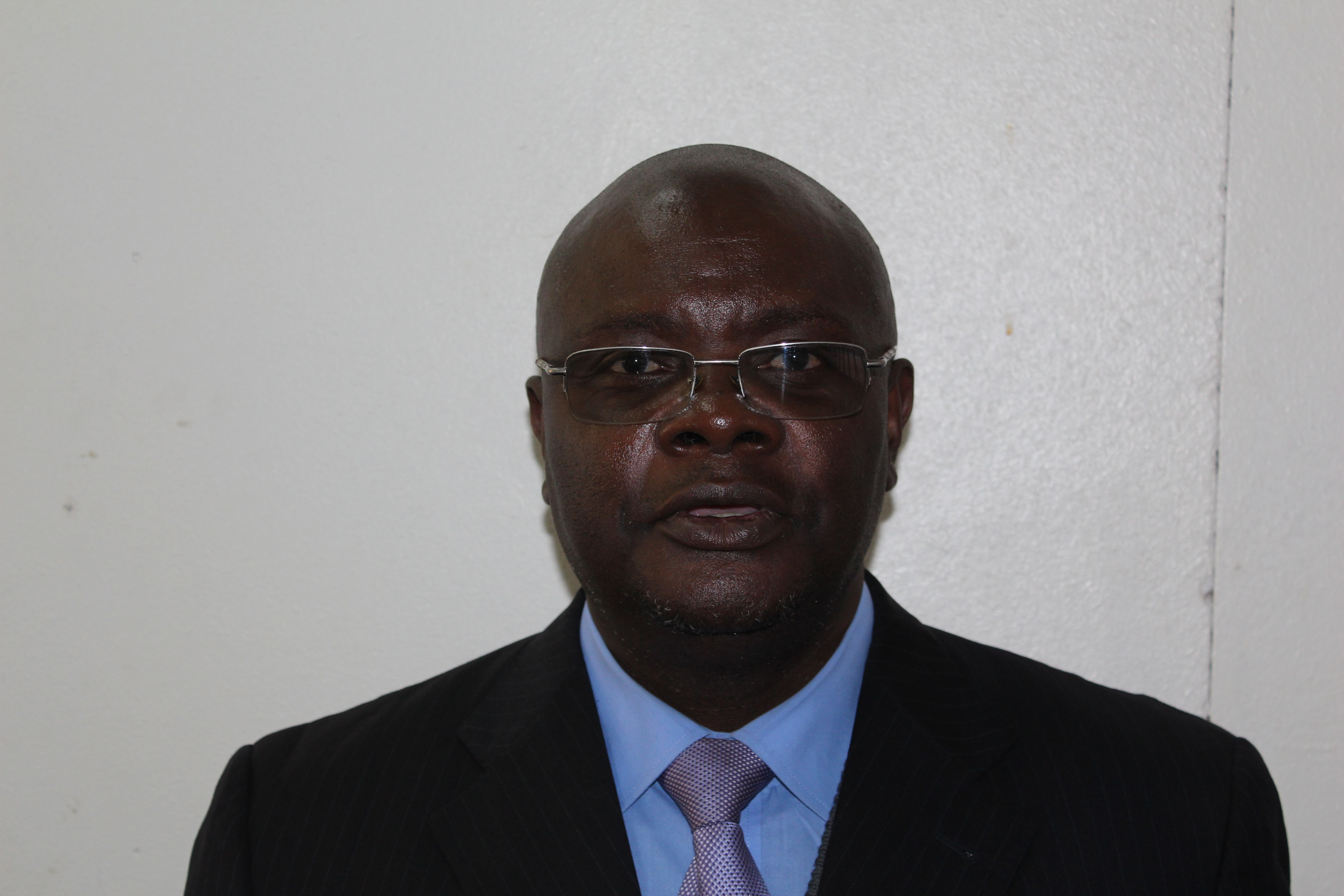
  • SPEECH TO BE READ BY THE ZANEC BOARD MEMBER MR. CHISENGA MUMBA DELIVERED DURING THE WORLD LITEARACY DAY HELD ON 10TH SEPTEMBER, 2019 IN NDOLA, CENTRAL PROVINCE

    SPEECH TO BE READ BY THE ZANEC BOARD MEMBER MR. CHISENGA MUMBA DELIVERED DURING THE WORLD LITEARACY DAY HELD ON 10TH SEPTEMBER, 2019 IN NDOLA, CENTRAL PROVINCE

    THE GUEST OF HONOUR,

    GOVERNMENT OFFICIALS PRESENT,

    CIVIL SOCIETY ORGANISATIONS PRESENT,

    MEMBERS OF THE PRESS,

    LADIES AND GENTLEMEN,

    MAY I SIMPLY SAY ALL PROTOCOLS OBSERVED.

    LADIES AND GENTLEMEN,

    IT IS MY SINGULAR HONOUR AND PRIVILEGE TO DELIVER THIS SPEECH ON BEHALF OF THE ZAMBIA NATIONAL EDUCATION COALITION (ZANEC) AND THE BROADER CIVIL SOCIETY.  FOR THOSE OF YOU WHO MAY NOT BE AWARE, ZANEC IS AN UMBRELLA ORGANISATION OF NGOS WORKING IN THE EDUCATION AND SKILLS SECTOR. CURRENTLY, ZANEC HAS 72 MEMBERS THAT INCLUDE COMMUNITY BASED ORGANIZATIONS, FAITH BASED ORGANIZATIONS, NON-GOVERNMENTAL ORGANIZATIONS, TEACHER TRADE UNIONS AND STUDENT UNIONS WORKING IN THE EDUCATION SECTOR COUNTRYWIDE. OUR MISSION IS TO SERVE AS A NATIONAL COALITION OF EDUCATION ORGANIZATIONS PROMOTING QUALITY AND INCLUSIVE EDUCATION FOR ALL THROUGH RESEARCH, ADVOCACY AND MEMBER CAPACITY BUILDING.  ZANEC MAINLY WORKS THROUGH FIVE EDUCATION THEMATIC SUBSECTORS NAMELY EARLY CHILDHOOD, CARE, DEVELOPMENT AND EDUCATION (ECCDE); PRIMARY AND SECONDARY EDUCATION; GENDER EQUALITY; TERTIARY AND SKILLS DEVELOPMENT; AND THE YOUTH AND ADULT LITERACY SUBSECTOR.

    LADIES AND GENTLEMEN

    WE ARE EXCITED AS A COALITION TO BE PART OF THIS YEAR’S COMMEMORATION OF THE WORLD LITEARACY DAY, THE REASON FOR WHICH WE ARE ALL GATHERED HERE. AS YOU ARE AWARE, THE MAIN CHALLENGE THAT OUR EDUCATION SYSTEM IS CURRENTLY FACING IS THE LOW LITERACY LEVELS EVEN AMONG OUR CHILDREN AT PRIMARY SCHOOL LEVEL.  AS WE HEARD FROM OUR EXPERTS DURING THE NATIONAL SYMPOSIUM PRESENTATIONS YESTERDAY, SOME RECENT STUDIES SHOW THAT ONLY 5% OF OUR GRADE 7 PUPILS ARE ABLE TO READ AND WRITE. THIS IN ITSELF SHOWS THAT OUR EDUCATION SYSTEM IS EXPERIENCING A LITEARACY CRISIS AND SOMETHING NEEDS TO BE DONE NOW TO REVERSE THE CURRENT STATUS.

    THIS YEAR’S THEME LADIES AND GENTLEMEN, WHICH IS “LITERACY AND MULTI – LINGUALISM” RE-AFFIRMS THE IMPORTANT ROLE THAT LITERACY PLAYS IN A PERSON’S WELLBEING AND THE ABILITY TO CONTRIBUTE TO NATIONAL DEVELOPMENT. LITERACY, WHICH SIMPLY REFERS TO ONE’S ABILITY TO READ AND WRITE IS IMPORTANT ESPECIALLY IN THIS ERA WHERE ALMOST ALL FORMS OF TRANSACTIONS REQUIRE SOME LEVEL OF PROFICIENCY IN READING AND WRITING.

    KNOWING HOW TO READ AND WRITE IN YOUR MOTHER LANGUAGE ALONE IS INADEQUATE ESPECIALLY IN THIS MODERN GLOBAL VILLAGE.  INSTEADY, HAVING PROFICIENCY IN MULTIPLE LANGUAGES BECOMES IMPORTANT FOR EFFECTIVE INTERCULTURAL INTERACTION, SOCIALISATION AND GLOBAL DEVELOPMENT. HAVING A WORKING KNOWLEDGE OF MANY LANGUAGES IS ALSO KEY IN FOSTERING PEACE AND STABLE ECONOMIC DEVELOPMENT. IN A GLOBALISED WORLD LIKE THE ONE WE LIVE IN, BEING ABLE TO NEGIOCIATE AND BARGAIN IN PEOPLE’S NATIVE LANGUAGE, WHETHER IT BE CHINESE, ENGLISH OR FRENCH, INCREASES THE CHANCES OF BUILDING LASTING ECONOMIC RELATIONSHIPS. THIS IS BECAUSE PEOPLE ARE MORE LIKELY TO UNDERSTAND AND TRUST YOU WHEN YOU SPEAK THEIR LANGUAGE.

    LADIES AND GENTLEMEN

     ZANEC NOTES WITH SADNESS, HOWEVER, THAT ILLITEARACY LEVELS REMAIN VERY HIGH IN ZAMBIA. AS EVIDENCED FROM THE DEMOGRAPHIC SURVEY PUBLISHED BY THE CENTRAL STATISTICAL OFFICE, 68 PERCENT OF WOMEN AND 83 PERCENT OF MEN BOTH AGED 15 TO 49 ARE LITERATE, WHILE ONLY 54 PERCENT OF RURAL WOMEN ARE LITERATE. 

    THIS LADIES AND GENTLEMEN UNDERSCORES THE URGENT NEED FOR GOVERNMENT AND STAKEHOLDERS TO PUT A PREMIUM ON PROMOTING LITERACY IF ZAMBIA IS TO ACHIEVE ITS EDUCATION SECTOR GOALS AND THE VISION 2030 OF NOT LEAVING ANYONE BEHIND.  THERE IS THEREFORE URGENT NEED TO PRIORITISE LITERACY IN OUR COUNTRY IN ORDER FOR US TO BENEFIT FROM THE INVESTMENT THAT WE ARE MAKING IN THE EDUCATION SECTOR.

    LADIES AND GENTLEMEN

    WE ALSO TAKE THE OPPORTUNITY TO APPEAL TO OUR GOVERNMENT THROUGH THE MINISTRY OF FINANCE TO ALLOCATE AT LEAST 20% OF THE NATIONAL BUDGET TO THE EDUCATION AND SKILLS SECTOR. THROUGH OUR ANALYSIS OF THE 2019 NATIONAL BUDGET TO THE EDUCATION AND SKILLS SECTOR, WE OBSERVED WITH CONCERN THAT THE ACTUAL ALLOCATION TO YOUTH AND ADULT EDUCATION HAD BEEN REDUCED BY 31%.

    LADIES AND GENLEMEN

    AM HAPPY TO INFORM YOU THAT YESTERDAY WE HELD A SUCCESFUL NATIONAL SYMPOSIUM ON LITERACY WHERE A NUMBER OF CONCERNS WERE DELIBERATED ON SUCH AS HOW TO IMPROVE LITERACY LEVELS IN OUR BELOVED COUNTRY. WE ARE HOPEFUL AS CIVIL SOCIETY THAT THE MINISTRY OF GENERAL EDUCATION AND ALL OF US STAKHOLDERS WILL ACT UPON THE RECOMMENDATIONS AND ACTION POINTS THAT WERE AGREED UPON AT THE SYMPOSIUM. IT IS OUR HOPE THAT OUR COLlEAGUES FROM THE MEDIA WILL ALSO WIDELY DISSEMINATE THE COMMUNIQUE ISSUED DURING THE SYMPOSIUM IN ORDER TO FOSTER INCREASED AWARENESS AND ACTION FOR IMPROVED LITERACY LEVELS IN OUR COUNTRY. FINALLY LADIES AND GENTLEMEN, I WOULD LIKE TO WISH ALL OF YOU A FRUITFUL WORLD LITERACY DAY COMMEMORATION. I THANK YOU AND MAY GOD BLESS YOU ALL.

  • TORs -TO CONDUCT A SURVEY TO ASSESS THE STUDENT LOANS AND SCHOLARSHIPS SCHEME IN ZAMBIA

    TORs -TO CONDUCT A SURVEY TO ASSESS THE STUDENT LOANS AND SCHOLARSHIPS SCHEME IN ZAMBIA


    1.0 BACKGROUND

    The Zambia National Education Coalition (ZANEC)’s core mandate is to conduct evidence-based advocacy for quality education for all Zambians. Thus, the organization has a niche for conducting research, analysis, monitoring and influencing. In addition, ZANEC is known for mobilising Civil Society Organisations and communities through its Member Organisations located in various parts of the country, giving the Coalition its national character.

    ZANEC, with support from Norwegian Student’s and Academics’ International Assistance Fund (SAIH) is working to advocate for access and quality service delivery in Institutions of Higher Learning. ZANEC’s vision is that everyone should have access to inclusive and good education. Implementation of this vision needs different stakeholders, including governments, international agencies, non-governmental organizations; unions and students movements.

    2.0 RATIONALE OF THE STUDY

    ZANEC seeks to commission a study to review access to the Loans and Scholarship scheme in Institutions of Higher Learning. Financial   exclusion   from   education   is   an   issue   in Zambia,   with   direct   and   associated   education costs prohibiting individuals from accessing education. As such, the Higher Education Loans and Scholarships Act, 2016 tries to address this challenge by  providing  the  grants, administration,  investment,  payment  and  recovery  of loans;  provide  for  the  administration  and  granting  of scholarships;  facilitate  the  mobilization  of  financial resources  for  loans  and  scholarships.  The Loans and Scholarship Scheme allows for the equitable and equal access of higher education through providing financing to qualifying Zambians.

    Currently the access to this fund has not been able to provide the envisioned levels of access in terms of financing to higher institutions of learning under the Scheme as several applicants have been left out. A case in point is the Copperbelt University where we saw students demonstrating due to their colleagues not being offered scholarships/Loans for the academic year 2019. This has been acerbated by the reduced expenditure to the Education and Skills Sector National Budget where the approved total National Budget has on average grown by 17% since 2015, the total education budget has grown by an average of 9% in nominal terms over the same period. Worse still, when expressed as a percentage of the national budget, the share of the National Education and Skills Sector Budget has experienced a steady decline from 2015 to date. Currently the Loans and Scholarship Scheme allocation under the Ministry of Higher Education budget for 2019was 1.3 % of the sector budget.

    ZANEC recognizes the pressure that such budgetary allocations have on the provision of higher education to every Zambian It is for this reason that ZANEC wished to commission an assessment of the Loans and Scholarship Scheme.  It is expected that the study will look into the financing trends, accessibility and quantify it by the number of beneficiaries by gender and academic cause since its inception.  It is envisioned that the assessment will increase the coalition body of knowledge for the purposes of continued advocacy for increased access.

    2.1Objective

    1. To generate evidence to advocate for increased financial support to Higher Education with the view to ensuring increased and equitable access to Loans and Scholarships to those who are disadvantaged, marginalized and or at risk of missing out.
    • Specific Objectives:
    1. To conduct a trend analysis of the Education and Skills Sector budgetary allocations that are meant for the purposes of financing the Loans and Scholarship Board.
    2. To conduct an analysis of the application and rewarding process.
    1. To investigate the best form of financing that will be beneficial and impactful to the provision of financing to higher education.
    2. To assess the recipients of the Loans and Scholarship Scheme to determine:
    1. Equity in allocation of recipients – gender break and career preference for scholarships.
    2. Adequacy versus number of applicants.
    3. c) Prudence in the management of the Loans and Scholarship fund.
    4. d) Analysis of the Skills fund and how it contributes to the provision of Loans

    and Scholarship Scheme.

    1. e) Analysis of academic pathways financed through the scheme.

    3.0 SCOPE OF WORK

    The consultant is expected to gather information to provide the following:

    1. Conduct an assessment of allocations and releases to the Loans and Scholarship Board from 2010 – 2018.
    2. The scope of work should follow a transparent and inclusive process of consultation of the diverse groups that make up the Education and Skills Sector.
    • Present a complete accepted report and power point summary of the findings for presentation at a stakeholders’ meeting convened specifically for this purpose by the ZANEC Secretariat.

    4.0 DELIVERABLES AND DURATION OF CONSULTANCY

    The assignment is expected to be completed within 8 working days and timeframes are to be jointly agreed between ZANEC Secretariat and the consultant, with the following deliverables.

    1. Inception report with proposed data collection methodologies and proposed time frames for deliverables.
    2. First and second draft of the research report for review.
    3. Present the second draft assessment report at a stakeholders’ meeting.

    5.0 REQUIRED COMPETENCIES

    • Must have at least a Master’s Degree in Education or related field.
    • Proven experience and track record in policy analysis.
    • Strong communication skills both oral and written English.
    • Ability to devote full time to the assignment and meet deadlines.

    PLEASE SUBMIT YOUR APPLICATIONS BY THE 30TH OF AUGUST 2019 TO:

    The Executive Director

    Zambia National Education Coalition (ZANEC)

    Baptist Fellowship Building

    Conner of Makishi and Great East Road,

    Plot 3061/2

    Lusaka, Zambia

    Telephone number +26011226422

    Or e-mail: admin@zanec.org.zm


  • ZANEC PRESS STATEMENT ON THE DECISION MADE BY COPPERBELT UNIVERSITY MANAGEMENT TO SLAP A K1, 500 SURCHARGE ON STUDENTS

    ZANEC PRESS STATEMENT ON THE DECISION MADE BY COPPERBELT UNIVERSITY MANAGEMENT TO SLAP A K1, 500 SURCHARGE ON STUDENTS

    The Zambia National Educational Coalition (ZANEC) is saddened and shocked by the decision made by Copperbelt University (CBU) Management to slap a K1, 500 penalty fee on students for damage caused to property during the last riot. The surcharge in simple arithmetics shows that the university will collect almost K20, 000,000 if all students pay.

    As a Coalition, we believe that the institution is using this as a resource mobilization strategy to subsidize the cost of securing the premises which the former Minister of Higher Education Hon Nkandu Luo had proposed. This should not be allowed. ZANEC calls for an independent and transparent assessment of the actual cost of the damage at the university.  The parents and the guardians of the learners need to know the true costs to be met. It is unfair that parents must meet such high costs in this harsh economy.

    ZANEC acknowledges and agrees with the statement made by the Minister of Higher Education Hon. Brian Mushimba that the surcharge is too high. We call upon the Minister to quickly open up dialogue with the management at the university and students union leaders in order to agree on an acceptable surcharge.  We hope that this engagement with the Minister will take place as soon as possible so that this matter is addressed.

    For/ZANEC

    George Hamusunga

    EXECUTIVE DIRECTOR


  • ZANEC PRESS STATEMENT ON THE REOPENING OF COPPERBELT UNIVERSITY

    ZANEC PRESS STATEMENT ON THE REOPENING OF COPPERBELT UNIVERSITY

    The Zambia National Educational Coalition is pleased with the announcement by the new Minister of Higher Education Hon. Brian Mushimba that the Copperpelt University will re-open on 19th August, 2019. We also appreciate the decision taken by the Minister to re-instate all the union leaders that were expelled. The Coalition is delighted that the Minister has responded to our call and to the concerns of our various stakeholders and members of the public who were calling for the re-opening of Copperbelt University.

    We would however like to inform the government that the reopening of CBU only be seen as the first step in addressing the many problems that our higher learning institutions are facing.  Our position as a Coalition is that the problems that are currently obtaining in our Higher Learning Institutions can only be resolved by open and honest dialogue involving university management, students and the Minister of Higher Education. We therefore hope that the new Minister will soon provide a platform for resolving the issues at both the Copperbelt University and the University of Zambia.

    Additionally, as a Coalition we would like to advise management at Copperbelt University to be flexible and open to divergent views. Ultimately, they should know that the long term solutions hinge on the need for government to adequately finance CBU to allow for the effective delivery of quality education at the institution. Therefore, we take this opportunity to call upon government to increase the financing to our higher learning institutions and to the Education and Skills Sector as a whole to at least 20% of the National budget in 2020.

    For/ZANEC

    George Hamusunga

    EXECUTIVE DIRECTOR


  • ZANEC VIDEO DOCUMENTARY ON THE STATUS OF EDUCATION IN HIGHER LEARNING INSTITUTIONS

    ZANEC VIDEO DOCUMENTARY ON THE STATUS OF EDUCATION IN HIGHER LEARNING INSTITUTIONS

    ZANEC will be airing today Tuesday 30th July 2019 at 21 hours or 21pm a Documentary on Status of Education in Higher Learning Institutions on Prime TV which is on Channels 273 on DSTV, 94 on GoTV and 103 Topstar. The documentary will be aired with support from Norwegian Students and Academic Fund (SAIH)

  • WELCOME REMARKS SPEECH READ BY ZANEC BOARD SECRETARY MR. HAMILTON MAMBO DURING THE MEDIA SENSITISATION ENGAGEMENT MEETING ON OUT OF SCHOOL CHILDREN HELD AT GOLDEN ZAMBEZI LODGE IN LUSAKA, ON 18TH JULY 2019

    WELCOME REMARKS SPEECH READ BY ZANEC BOARD SECRETARY MR. HAMILTON MAMBO DURING THE MEDIA SENSITISATION ENGAGEMENT MEETING ON OUT OF SCHOOL CHILDREN HELD AT GOLDEN ZAMBEZI LODGE IN LUSAKA, ON 18TH JULY 2019

    Members of the Press

    Members of ZANEC Board of Governors

    ZANEC Member Organisations

    Civil Society Organisations

    All Protocols observed


    It is my singular honour and privilege to present this speech to you our distinguished guests.  I welcome you all to this meeting. For those of you who may not be aware Zambia National Education Coalition (ZANEC) is a Coalition of non-state actors working in the Education and Skills Sector. It is a recognized institution advocating for improved access to quality education by all citizens. The organisation is involved in research, advocacy and member capacity enhancement on different aspects of Education and Skills System in Zambia.  The organisation works in the five Education and Skills Subsectors namely Early Childhood Care, Development and Education (ECCDE), Basic Education (Primary and Secondary School), Skills and Tertiary Education, Youth, Adult Literacy and Education (YALE) and Gender Equality.

    It is important to recognize the financial support from the Open Society Initiative for Southern Africa (OSISA) which has made it possible to have this meeting. As an organisation we are grateful to OSISA for the continued support of activities and initiatives related to reducing the number of Out of School Children among others.

    Ladies and Gentlemen

    ZANEC values the role the media plays in our society and thus our convening this meeting. The meeting seeks to stimulate debate and dialogue around policy and public on key issues affecting Out of School Children and access to quality education services.

    The number of Out of School Children is alarming and worrying.  According to United Nations International Children’s Emergency Fund 504,000 (UNICEF, 2014) while 800,000 was recorded in the Educational Statistical Bulletin of 2016 children of school going age are out of school in Zambia.  Out of School Children include:

    • Children who do not have access to a school – Children of school going age who are not enrolled in school due to various barriers.
    • Children who have dropped out of the education system – These are children who were enrolled in school but have left school due various reasons.
    • Children who have access to school but are not enrolled for various reasons.

    There are various sited reasons for children being out of school. Some of these are: early marriages, teenage pregnancies, unsupportive learning environment, cost of education provision, lack of appreciation for the value of education, negative cultural practices, being over age, health conditions, lack of assistive devices for learners with Special Education Needs. As you can all see these are complex issues that need every body’s intervention is we are to uproot this vice. As ZANEC, we believe that the crusade to reduce high numbers of OOSC in Zambia cannot and should not be left to Government alone.  We need to work together to eliminate the barriers to education and ensure all children have access ti quality education, in line with our 7NDP theme of leaving no one behind.

    Key to this is our continued call to financing a fee-free basic and secondary education as well as vocational skills development for all school-age children  from early age (4 –18 years) and thereby positioning the country towards attaining Vision 2030.


    Ladies and Gentlemen

    As ZANEC we are of the firm belief that the media is a key partner in development as they disseminate information to the public and decision makers. Therefore, media can play an important role in contributing to reduce the number of out of school children by being proactive in creating awareness on the importance of education to the public. Additionally, the media is a key advocate in ensuring that the government and decision makers make favorable policies as well as increasing financing to the Education and Skills Sector.


    Ladies and Gentlemen

    ZANEC conducted a Comparative Study on the Operations and Governance of Parents and Teachers Associations (PTAs) in Zambia: A case study of selected schools in Southern, Lusaka and Central Provinces of Zambia. This was also in the bid to provide evidence to lobby for the reduction of the number of out of school children. The study shows that because of the inadequate funding to the Education and Skills Sector coupled with the late disbursement of funds to most schools, the country lacks essential teaching and learning materials.  As a result of this, some PTAs and Parents Community Schools Committees (PCSCs) have resorted to resource mobilisation mechanisms that end up charging uneconomical levies in order to meet school operational costs. The consequences of  this increased resource burden on parents  and  guardians is that in  most times it increases the number of Out of School Children (OOSC) consequently leading to high illiteracy levels in the country.

    Therefore, the overall purpose of this study was to show that PTAs and PCSCs have a broader role to play than being mere fundraising committees for the schools but must also be able to provide checks and balances for quality provision of education services. The study has provided information on the operations and governance of PTAs in practice in comparison to their mandate stipulated in various policies and legislation. As a Coalition we will therefore take this opportunity to share with you the key findings of the study in this engagement meeting. As we are hopeful that it will reach a lot of people in the country through you the media.


    Ladies and Gentlemen

    I urge you all to participate fully in the deliberations of this meeting and share and disseminate widely the information and knowledge you will get from this workshop.

    I thank you all and God bless


  • CALL FOR ZANEC 2019 EDUCATION AND SKILLS SECTOR MEDIA AWARDS

    CALL FOR ZANEC 2019 EDUCATION AND SKILLS SECTOR MEDIA AWARDS

    The Zambia National Education Coalition (ZANEC) is calling for entries for the 2019 ZANEC Education Media Awards. The award-giving ceremony is conducted every year to recognize and reward journalists who have contributed towards the need for quality education in our country.

    BACKGROUND TO THE AWARDS

    The objective of the awards is to promote reporting on the Education and Skills Sector hence raising public awareness, understanding, participation and the need for the provision of quality education in the country. The entries must be based on one of the five (5) Education Sub Sectors namely:

    1. Early Childhood, Care and Development Education (ECCDE)
    2. Youth and Adult Literacy Education (YALE)
    3. Skills and Tertiary Education – with a bias to Academic Freedoms and quality of education in Higher Institutions of Learning
    4. Basic Education (Primary and Secondary)
    5. Gender and Equity

    The article; program; documentary or video must demonstrate the author or producer’s understanding of the Education and Skills Sector at the barest minimum.

    Eligibility

    The awards are open for published and broadcasted works in print, radio, television or online media. Only journalists who are Zambian nationals are eligible for the competition. The competition is only open to individual journalists and not media institutions or organizations;

    The entries shall be works published/broadcast between 1st October 2018 and 31st July 2019

    Languages
    All works entered for the competition shall be in English Language.

    Categories
    Entries shall consist of the following:

    • Print Journalism: Features, articles or stories published in mainstream newspapers, magazines, journals or newsletters.
    • Radio Journalism: Documentary or discussion programmes.
    • Television Journalism: Documentary or discussion programme.
    • Online/news media: Feature articles or stories published on online media.

    Adjudication and Awards

    The selection of winners will be done by an adjudication panel identified by ZANEC Secretariat with expertise in media and media development. The winners will get a monetary award, a trophy and a certificate.

    Respects for copy rights

    All entries submitted must be original and in conformity with copyright requirements and must have been published or broadcasted between 1st October 2018 and 30th June 2019.

    Deadlines

    • All submissions should be made to ZANEC by Friday, 30th August, 2019.
    • Further information on ZANEC can be obtained from:
    • Website: www.zanec.org.zm
    • Facebook: facebook.com/Zambia – National- Education -Coalition
    • Twitter: ZANEC Official


    All submission are to be made to:

    The Executive Director,

    Zambia National Education Coalition,

    Baptist Fellowship Building,

    Plot 3061/2 Corner Makishi Road and Great East Road,

    P.O. Box 30774,

    Lusaka-Zambia,

    Email: admin@zanec.org.zm

  • TORS -CONDUCT A REVIEW OF EDUCATION AND SKILLS SECTOR 2017 – 2019 NATIONAL BUDGET ALLOCATIONS AND ALIGNMENT TO ESSP TARGETS AND IMPACT OF LOW FUNDING ON SERVICE DELIVERY

    TORS -CONDUCT A REVIEW OF EDUCATION AND SKILLS SECTOR 2017 – 2019 NATIONAL BUDGET ALLOCATIONS AND ALIGNMENT TO ESSP TARGETS AND IMPACT OF LOW FUNDING ON SERVICE DELIVERY


    1.0 BACKGROUND

    The Zambia National Education Coalition (ZANEC)’s core mandate is to conduct evidence-based advocacy for quality education for all Zambians. The organization is specifically involve in conducting research as well as in policy analysis, monitoring and influencing. ZANEC is also known for mobilising education Civil Society Organisations and communities to promote access to quality education for all through its Member Organisations located in various parts of the country.


    ZANEC, with support from Counter Part International (CPI), is implementing a project entitled “Effecting and Influencing Governance of Education and Skills Sector processes in Eastern and Lusaka Provinces of Zambia”. The project aims at mobilizing the civil society voice to hold government accountable to the efficient implementation of the Education and Skills Sector Plan (ESSP) which is the main guiding document for service delivery in the Education and Skills Sector. Although this document is important in defining the Country’s short and medium term education priorities, the process of developing this document took close to three years. The government only finalized this document at the end of December, 2018 despite the timeline for the plan being 2017 to 2021, meaning that technically the implementation of the plan started in 2017. Given that the ESSP in now place, ZANEC would like to focus on influencing the successful financing and implementation of the Plan. This is because ZANEC believes that the effectiveness of the ESSP in delivering access to quality education to every Zambian is dependent on the availability of adequate finances.


    2.0 RATIONALE OF THE STUDY

    The education sector is key in achieving national and international strategic goals such as the Seventh National Development Plan (SNDP), Vision 2030 and the Sustainable Development Goals respectively. For Zambia to achieve the aspirations contained in the above national and international policies, there is need to have adequate financing of the sector Plans. Currently, Zambia is at risk of not being able to achieve the projected education targets mainly due to the declining resource envelope allocated to Education and Skills Sector over the last 5 years. Despite the national budgetary allocations having been on increase in nominal terms from about ZMW47 Billion in 2015 to ZMW87 billion by 2019 (almost doubling in this period) this has not resulted in the corresponding increase in the share of the Education Sector Budget. To the contrary, the share of the education budget has reduced from 20.2% to 15.3% over the same period.

    It is against this background that ZANEC seeks to commission a study to review national budget allocations to the Education and Skills Sector for the period 2017 – 2019 and how education financing has been aligning to the achievement of ESSP targets and outcomes. ZANEC intends to identify a Consultant who will conduct a time bound research and provide a report that shows the gap between the financing and implementation of the Education and Skills Sector Plan.

    The process will focus on reviewing government’s financial investment and commitment actualized through sector budgets for the implementation period of the ESSP so far. The research will respond to some provocative questions, which, when answered through the research, will solidify civil society positions, such as: What impact does the sector budgets have on the sector performance? What has been the progress achieved towards service delivery in the Education and Skills Sector so far amidst the prevailing low and erratic funding?

    2.1 Objective

    1. To assess the financial investment and impact of the national budget allocations to the Education and Skills Sector on the realization of the ESSP targets during the period 2017 – 2019.

     2.2 Specific Objectives:

    1. To assess the trends and perform a gap analysis in allocations and releases of the Education and Skills Sector Budgets.
    2. To assess the impact of education financing on service delivery in the Education and Skills Sector
    3. To distill some key recommendations for advocacy on the need for the adequate financing in the Education and Skills Sector.


    3.0 SCOPE OF WORK

    The consultant is expected to gather information to provide the following:

    1. Conduct an assessment of the allocations and releases to the Education and Skills Sector between 2017 – 2019 and review the corresponding impact on service delivery
    2. Perform a gap analysis by comparing the 2017 – 2019 period with the recommended 20 per cent budget target set by the Dakar framework for Education for All allocated to the education sector.
    • Conduct field visits to selected areas to generate official and public opinion on the impact of  the ESSP on education service delivery;
    1. Consult diverse groups that make up the Education and Skills Sector on the impact of the ESSP in the delivery of education services.
    2. Produce and present the final report to education stakeholders at a meeting to be organised by the ZANEC Secretariat.

    4.0 DELIVERABLES AND DURATION OF CONSULTANCY

    The assignment is expected to be completed within 9 working days to be jointly agreed between the ZANEC Secretariat and the Consultant, with the following deliverables.

    1. Inception report with proposed data collection methodologies and proposed time frames for deliverables.
    2. First and second draft of the research report for review.
    3. Present the second draft report to a stakeholders’ meeting.

    5.0 REQUIRED COMPETENCIES

    • Must have at least a Master’s Degree in Education or related field.
    • Proven experience and track record in policy analysis and research.
    • Strong communication skills in both oral and written English.
    • Ability to devote full time to the assignment and meet deadlines.

    PLEASE SUBMIT YOUR APPLICATIONS TO:

    The Executive Director

    Zambia National Education Coalition (ZANEC)

    Baptist Fellowship Building

    Conner of Makishi and Great East Road

    Plot 3061/2

    Lusaka, Zambia

    Telephone number +26011226422

    Or E-mail: admin@zanec.org.zm


    Deadline for submission: 11th July, 2019


  • ZANEC PRESS STATEMENT ON THE EXPULSION OF STUDENT UNION LEADERS AT COPPERBELT UNIVERSITY

    ZANEC PRESS STATEMENT ON THE EXPULSION OF STUDENT UNION LEADERS AT COPPERBELT UNIVERSITY

    Zambia National Educational Coalition (ZANEC) is saddened by the decision taken by the Copperbelt University (CBU) to expel 10 of the Student Union leaders at the institution following the student led demonstrations that rocked CBU in March this year. This punitive measure taken by Copperbelt University management is against public interest and the spirit of reconciliation that we have been advocating for. We also realize that the decision came just a few days after the Student Union leaders publicly apologized for their actions to the Republican President. The impression that this sends therefore is that the President refused to accept the apology by the Students, which we believe is not true. As a Coalition, we are of the view that expelling the students is not the best way to solve the many problems that the institution is facing. The solutions to the problems that our higher learning institutions are facing lies in honest dialogue involving University Management, Student Unions and the Minister of Higher Education.

    It is important to note that the concerns raised by the students at the Copperbelt University will not be resolved by the expulsion of the Student Union leaders. Instead, they can only be resolved through dialogue and mutual respect. As a Coalition we would like to advise management at Copperbelt University to be flexible and open to divergent views. Ultimately, they should know that the long term solutions hinge on the need for government to adequately finance CBU to allow for the effective delivery of quality education at the institution.

    Such harsh decisions have been tried before but have proved to be ineffective in addressing the root causes of student riots. Anyone who has been to the Copperbelt University or the University of Zambia knows that Student Union leaders do not advocate for riots. Riots happen mainly because some students get frustrated when their issues are not given an audience by either University Management or government. Student union leaders in such situations try by all means to calm the students but in vein. We therefore urge government and university management to promote a culture of dialogue with student union leaders on matters affecting them. This is the only way to resolve the problems that CBU is facing.  As rightly contended by Jane Goodwill “Change happens by listening and then starting a dialogue with the people who are doing something you don’t believe is right”.

    We therefore call upon government through the Ministry of Higher Education to re-instate the Student Union leaders that were expelled, re-open the Copperbelt University immediately and provide dialogue platforms for resolving the issues at both the Copperbelt University and the University of Zambia. We re-iterate the fact that expelling the student union leaders and keeping the Copperbelt University closed will not solve the funding challenges that the two institutions are experiencing. It is for this reason that as a Coalition, we propose for the convening of a dialogue meeting involving the Minister of Higher Education, university management and student union leaders to be mediated by ZANEC so as to address the current issues affecting service delivery at the two higher learning institutions.

    For/ZANEC

    George Hamusunga

    EXECUTIVE DIRECTOR


  • TORs – SMALL GRANTS TO STUDENTS IN INSTITUTIONS OF HIGHER LEARNING TO PROMOTE CRITICAL THINKING

    TORs – SMALL GRANTS TO STUDENTS IN INSTITUTIONS OF HIGHER LEARNING TO PROMOTE CRITICAL THINKING

    • INTRODUCTION

    The Zambia National Education Coalition (ZANEC) is a network of Civil Society Organizations registered under the Registrar of Societies Act on 3rd July, 2002 on certificate number ORS/102/35/2581. The organization currently has seventy (70) Member Organizations comprising of Community Based Organizations, Faith Based Organizations, Non-Governmental Organizations and Teacher Trade Unions.

    The organization’s mandate is to coordinate civil society advocacy for quality, equitable and inclusive education for all Zambians. ZANEC’s focus is therefore on national plans and international frameworks that advance education in Zambia. Particularly, the Coalition takes interest in the provision of quality education services.

    Zambia over the years has seen unprecedented growth in the number of students seeking higher education in public universities. Public universities are shrouded in high lecture, student ratios, little or more so no money for research and development let alone resources for management and administrative support.


    Institutions of Higher Learning like UNZA as a case in point have seen the design and implementation of their learning process change; where tutorials which are an individualized teaching/learning process intended to mentor, assess and broaden critical thinking outside the ordinary lecture room are phasing out due to large class sizes. According to the Public Relations and International Liaison Manager at University of Zambia, the University Student Population stands at over 30, 000 and yet operating with the same infrastructure as when  it was established in 1966 with a student population of 312. Extension programmes to expand existing infrastructure is not matched with the required resources. Higher Institution of Learning like UNZA are characterized by overcrowded lecture rooms in a bid to bridge its resource gap and finance the institution. This in turn significantly compromises the quality of learning needed for students to make any meaningful contribution to society. In addition, there are no deliberate policies or initiatives to ensure inclusivity is taken into consideration, in line with the country’s Seventh National Development Plan which states that “No one should be left behind”. The foregoing is a clear indication of how the increasing student population does not match staffing levels hence directly impacting on academic freedoms and quality of education received in Institutions of Higher Learning.


    1. RESEARCH PURPOSE

    To provide ten (10) students with an opportunity to enhance the level of research skills.

    RESEARCH OBJECTIVES

    • Support identified students to conduct research on topical issues for the academic year 2019 so as to promote critical thinking.
    • Utilize the research findings to enrich ZANEC’s advocacy on the promotion and upholding of inclusive societies and support Academic Freedoms in Institutions of Higher Learning.


    1. SCOPE OF WORK

    Successful applicants will conduct academic style research on Academic Freedoms in Zambia. Preference will be given to research topics focused on female participation, Academic Freedom and inclusive societies.

    1. KEY DELIVERABLES


    1. Submit research proposal expressing interest in conducting the research( as per provided guiding notes);
    2. Carry out Academic research in a period of not more than two months (strictly).
    • Work with identified consultant to enrich research and facilitate for capacity enhancement.
    1. Timely submission of complete research document after two months research work.
    2. Submit to ZANEC a soft copy of final research report and submit 2 copies of well bound documents.


    1. REQUIRED COMPETENCIES


    • Must be a second or third year student at an institution of Higher Learning (University or College).


    NB: All expressions of interest must be submitted through post, email or hand delivery to the address below by Wednesday, 17th May, 2019.


    The Executive Director,

    Zambia National Education Coalition,

    Baptist Fellowship Building,

    Plot 3061/2 Corner Makishi Road and Great East Road,

    P.O. Box 30774,

    Lusaka-Zambia,

    Email: admin@zanec.org.zm

    Guiding Notes for Student Research Papers

    Academic research requires a thorough investigation into the body of literature that has been published – and sometimes even unpublished – about a given topic. You must examine and refer to scholarly sources when completing academic assignments (unless otherwise indicated by your instructor to be identified by ZANEC).

    Your submitted research proposals should include but not limited to:

    1. Research Topic
    2. Statement of the problem
    3. Purpose (objectives of the study)
    4. Specific objective/s
    5. Methodology
    6. Literature Review
    7. Hypothesis
    8. Definition of terms
    9. Assumptions

    Kindly note the above is a guide to ensure that your proposal follows structure.

    Topics to be considered for ZANEC supported research:

    1. Female Participation and inclusion in leadership roles in Institutions of Higher Learning.
    2. Academic Freedoms