Author: ZANEC

  • ZANEC PRESS STATEMENT ON WORLD TEACHER’S DAY

    ZANEC PRESS STATEMENT ON WORLD TEACHER’S DAY

    Zambia National Education Coalition (ZANEC) joins the rest of the world in commemorating the 2018 World Teacher’s Day. ZANEC is always delighted to commemorate this day because teachers play a very important role in shaping the future of individuals in our societies. Teachers are an extremely important asset of any society for several reasons and their role in society is both significant and valuable. Teachers play a major role in the lives of children during their formative years of development and therefore the importance of teachers cannot be understated. Therefore, our teachers do not only provide education but they also help in moulding students into responsible citizens.

    This year’s theme is “The right to education means the right to a qualified teacher”. The theme affirms education as a right. This means that everyone regardless of his or her gender, race, tribe, nationality or status should have access to quality education. Indeed qualified teachers are the cornerstone of an education system at all levels. A qualified teacher is one who is capable of teaching adequately. In ZANEC’s view, it is very important that teachers have the right credentials, certification, motivation and passion in their field of teaching in order to bring about positive learner outcomes.  This is because a teacher without passion cannot succeed, as only passion can stimulate the interest in the learners’ minds. A qualified teacher is capable of inculcating in the learner, the appropriate knowledge and values that inspire positive social, cultural, economic, and political progress. A teacher is thus a mentor who guides learners through the ladder of education. It is therefore the personal responsibility of every teacher to ensure that they play a significant role in both the students’ life and education. Not only do teachers need to deliver their lessons but they also help learners see their future prospects.

    According to United Nations Educational, Scientific and Cultural Organization (UNESCO),the theme has been chosen to remind the global community that the right to education cannot be achieved without the right to trained and qualified teachers. Even today, a continuing challenge worldwide is the shortage of qualified teachers. Sadly, the shortage of teachers is a big challenge in the Education and Skills Sector that needs to be addressed. In Zambia, there are about 5 million learners against 100,000 teachers, translating into an average of 50 pupils against one (1) teacher. In rural areas, the teacher pupil ratio is even higher as teachers are not evenly distributed.

    It is important to note that since 1994, this day has been commemorated to appreciate teachers across the globe. It is observed that the World Teachers’ Day of 2018 marks the 70th anniversary of the Universal Declaration of Human Rights (1948) that recognizes education as a key fundamental right especially to free and compulsory education that promotes inclusive and equitable access for all children.  A teacher is therefore very instrumental in the realization of Universal Declaration of Human Rights.

    The Coalition is of the view that individual teacher qualities, character, qualifications and professional competence are the cornerstones upon which an effective national education system should be anchored.  However, ZANEC notes that in the Ministry of General Education, a total of 3,148 teachers were recruited and deployed to schools across the country in 2017 against a target of 55,000 teachers over the next 10 years. An additional 2,000 teachers is also expected to be recruited before the end of this year. Further, 2,939 teachers are being supported to upgrade their qualifications under the fast-track teacher education programme as highlighted in the  Presidential Speech that was delivered to the National Assembly of Zambia on 14th

    September 2018. As ZANEC, we are concerned that at the current pace that government is recruiting teachers, the current target of 55,000 teachers will not be attainable. We therefore, appeal to the government to consider recruiting at least 5, 500 every year.

    Finally, ZANEC would like to take this opportunity to wish all the teachers in community schools, early childhood care, development and education centres, primary schools, secondary schools, tertiary institutions and Adult Literacy Instructors a happy and fruitful commemoration of the 2018 World Teacher’s Day.

    For/ZANEC

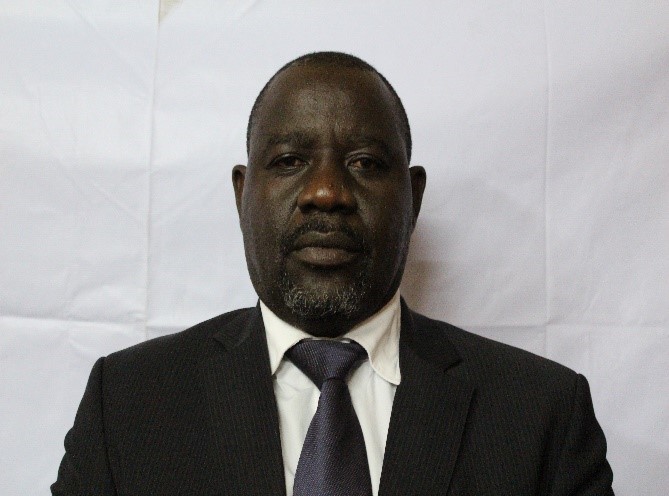
    George Hamusunga

    EXECUTIVE DIRECTOR
  • ZANEC PRE BUDGET 2019 PRESS STATEMENT ON FUNDING TO THE EDUCATION AND SKILLS SECTOR

    ZANEC PRE BUDGET 2019 PRESS STATEMENT ON FUNDING TO THE EDUCATION AND SKILLS SECTOR

    Zambia National Education Coalition (ZANEC) is insistent that government has to show commitment to their policies and plans by allocating no less than 20% of the Budget to Education and Skills Sector. .Even though it can be argued that the allocations have stayed within the bracket of international frameworks that government allocate between 4 to 6% of their Gross Domestic Product or between 15 to 20 % of their national budgets to Education, the reality on the ground is that our Education and Skills Sector needs a lot of attention if we are to make any significant progress in providing the kind of education envisaged in the Seventh National Development Plan.

    We also expect that this increase in allocation should seek to balance the allocations to Personnel Emoluments and Service provision. While we appreciate the fact that 85% of the 2018 budget went to meeting our obligations to the human resource, i.e teachers, among others, we also want to see the allocation to service delivery increased so that the learner must benefit by receiving all requirements that result in good learner outcomes.

    ZANEC is STILL concerned with the declining financing to the Education and Skills Sectors to the Ministry of General Education (MoGE) and Ministry of Higher Education (MoHE). The national budget allocation to the Education and Skills Sector falls below the Cairo Protocol on Education of at least 20% minimum allocation to which Zambia is assented to. Unfortunately, the budget allocation has continued to go down from 2015 as follows; 2015 (20.2%), 2016 (17.2%), 2017 (16.5%) and 2018 (16.1%). ZANEC is concerned with this nose-diving trend due to the fact that the inadequate funding has diversely affected the delivery of quality education services at all levels. We are concerned that the despite the minimal allocation of funds were disbursed late and in small amounts that would not translate to any meaningful improvement in the sector.

    A case in point is the Eastern Province, as learnt during a ZANEC Education Platform that the Province was allocated K12, 949,214.82 in the 2018 National Budget. A quarterly disbursement of K3, 237,303.71 was indicatively supposed to be released to the Eastern Province under the MoGE.  However, only K519, 313.81 translating into sixteen percent (16%) of the first quarter allocation was released to the Provincial and District Education Offices. Meanwhile no disbursements were made to Early Childhood Education (ECE), primary, secondary and colleges as of April 2018, for the entire province. This clearly highlights the Ministry of Finance failure to submit funds to the sector for provision of adequate quality services.

    The challenge of financing for public service delivery is not unique to the Education and Skills Sector. In a letter dated 25th June, 2018 by the Provincial Education Officer (PEO) instructing all Schools in Lusaka to “Contribution towards Co – Curricular activities” in this letter the PEO directs schools to contribute towards Co- curricular activities involving learners where Primary Schools in Lusaka were instructed to contribute K2, 000.00, Secondary Schools to contribute K7.000. This is a clear manifestation of the lack of resources to undertake education activities resulting in Schools subsidizing central government’s responsibility to finance education.

    The Seventh National Development Plan (7NDP) and the Vision 2030 clearly stipulates the country’s development agenda of “Leave no one behind”. However this motto is mere rhetoric as failure to finance a key Pillar of the 7NDP indicatively does not allow for many vulnerable Zambians to access quality education service.

    Erratic funding to the sector raises serious concern to the Coalition. There are currently 752, 700 out of school children as indicated in the Zambia Education Statistical Bulletin. With such erratic and late disbursement of funds to the sector, how is the government going to reduce these ever increasing numbers?

    If Zambia is to attain any meaningful development and reduce poverty among its citizens there is need to invest substantially in the Education and Skills Sector. The Education and Skills Sector is a sector whose outcomes rely on government’s willingness to invest adequately. The prevailing funding flow to the sector allows the Coalition to question the government’s commitment and priority to the Education and Skills Sector.

    Research and statistics have shown that countries that have made tremendous progress in terms of economic and social development have invested in their Education and Skills Sectors at all levels. ZANEC therefore appeals to the government, particularly the Ministry of Finance to disburse funds to the Education and Skills Sector in the remaining months and quarters of the year on time and according to the National Budget for 2018. The Ministry must also release the funds that have not been disbursed for quarter one (1), two (2) and three (3) immediately.  We believe that the little resources to the Education and Skills Sector if disbursed on time can create some meaningful change.

    The Coalition further calls on the government through the Ministry of Finance to continue finding avenues for domestically financing the education sector and therefore commend the government on the introduction of the Skills Development Fund.

    We want to stress that this call for increased financing is coupled with increased checks and balances to avoid syphoning and mismanagement of the little resources going to the sector. For ZANEC, we will continue to hold government accountable and demand for accountability of funds that are proven to have been misused or stolen from government to be returned immediately and perpetrators punished without any fear or favour. We are pleased that the government has suspended more than 60 officials in the MoGE over misuse of funds. However, more needs to be done to ensure that funds are used for the intended purpose in the Ministries responsible for Education.  The misuse of funds has affected the education system in a negative way.

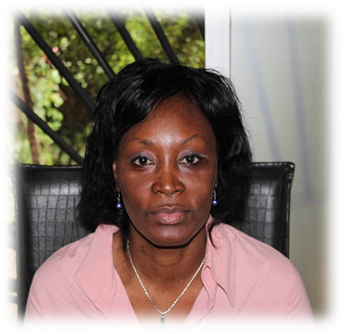
    Miss Ivy Mutwale

    ACTING EXECUTIVE DIRECTOR

  • ZANEC PRESS STATEMENT ON UPCOMING EXAMINATIONS FOR PRIMARY AND SECONDARY SCHOOLS IN ZAMBIA

    ZANEC PRESS STATEMENT ON UPCOMING EXAMINATIONS FOR PRIMARY AND SECONDARY SCHOOLS IN ZAMBIA

    The Zambia National Education Coalition (ZANEC) has noted that learners (pupils) will be writing examinations for grade twelve, nine (9) and seven (7) starting on 27th of September, 2018 for grade 12. It is important that the people responsible for distributing examination papers take responsibility and not leak the papers.

    It is wrong to use leakages in exams. We appeal to the parents who are in the habit of buying leakages for their children to stop as they are inculcating bad morals in their children of cheating, stealing and not having integrity. Exam malpractice is a negative orientation for future leaders, who may end up being corrupt in their positions of authority. Exam leakages encourage the young to engage in illicit actions, including engaging in prostitution in order to access the leakages. As such, there is a lot to worry about regarding the morality of these future adults.

    We appeal to the law enforcement institutions to give stiff punishment to those involved in exam mal practices at all levels. Additionally, we call upon the Teaching Council of Zambia (TCZ) to revoke the Teaching Licenses from teachers who will be found involved in leaking the examination papers.

    As a Coalition, we are of the view that examination mal practices are supposed to be a concern of everyone who is progressive. This is because the mal practices bring about illiterate and incomplete learners who later work in our industries and do substandard works which affect the economic development of the country.

    We encourage the learners to prepare adequately for the exams by studying every day and reduce on spending time on social media and watching television which do not add value to their lives.  ZANEC also takes the opportunity to remind the parents, guardians, learners, teachers and relevant authorities that it is an offence and a crime in Zambia to be involved in examination malpractice. The vice undermines the credibility of the education system.

    It is important for the government and relevant stakeholders to give special consideration to exam setters, invigilators and supervisors. These should be well remunerated and in good time so that they do not think of taking bribes to add to their salaries.

    We also take the opportunity to wish all those writing a success in 2018 examinations.


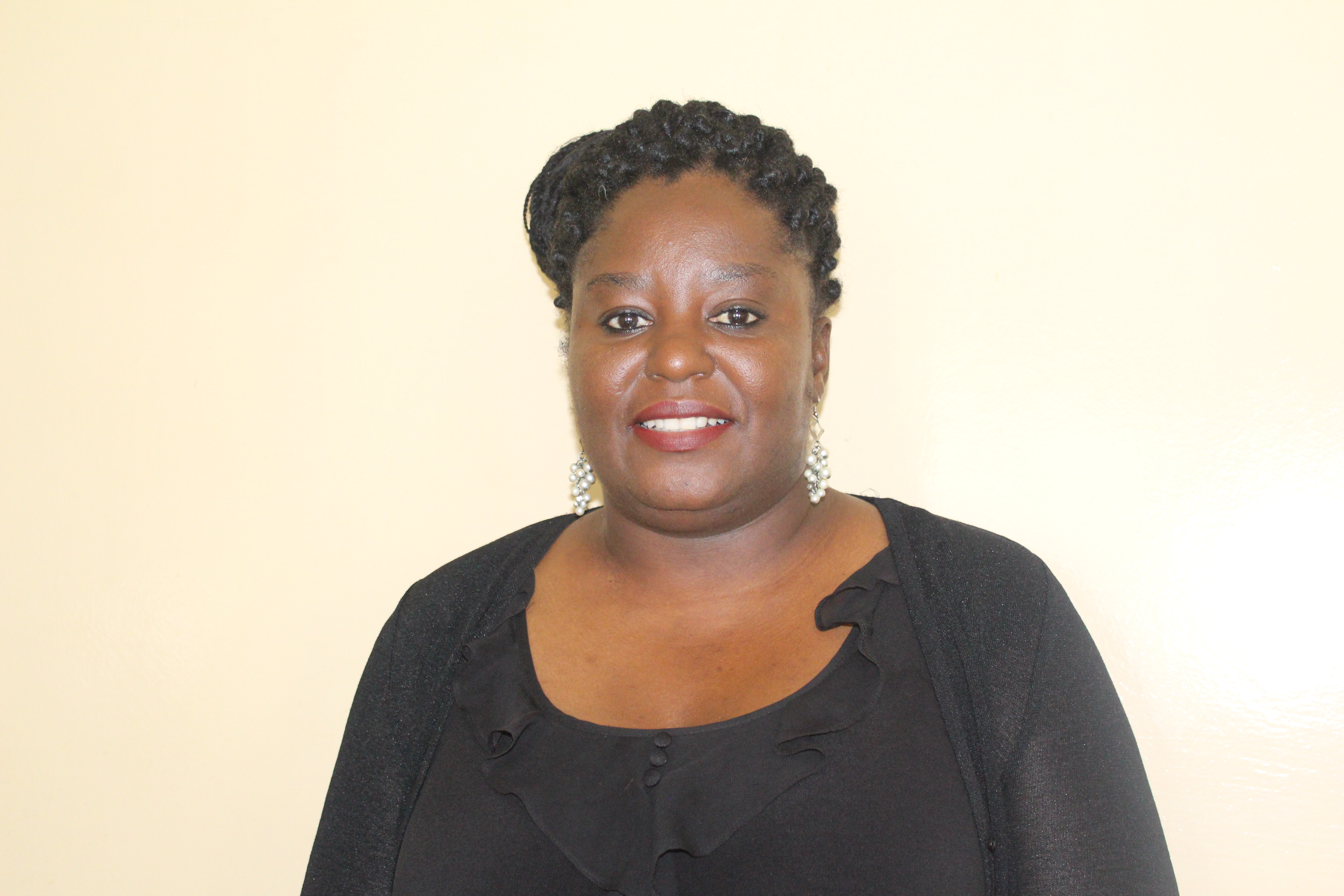
    Ivy Mutwale (Miss)

    EXECUTIVE DIRECTOR

  • ZANEC PRESS STATEMENT ON WORLD LITERACY DAY

    ZANEC PRESS STATEMENT ON WORLD LITERACY DAY

    Zambia National Educational Coalition (ZANEC) joins the rest of the world in commemorating World Literacy Day which falls on 8th September 2018.

    As a Coalition, we are very proud to be associated with the commemoration of World Literacy Day. This is because the aim of World Literacy Day is to highlight the importance of literacy to individuals, communities and societies. Traditionally, literacy is the ability to read and write. This day is very important because it reminds us of the relevance of knowing how to read and write. Reading and writing are an essential aspect to individuals, communities and society at large that cannot be done without.

    The 2018 theme is “Literacy and Skills Development” this theme could not have come at a better time than this one. Indeed, literacy and skills development is important to anyone’s success in their day to day work, interaction and communication. ZANEC’s vision is to have a citizenry who can achieve self-fulfillment. There’s no better way to achieve this than to ensure access to basic literacy and income generating skills.
    Literacy is one of the most important skills when it comes to our personal growth, culture and development. It is even more important today because of how our economy and society are changing. Around the world, governments, businesses and people are becoming more and more connected by digital technologies and therefore reading and writing becomes crucial for one’s survival.

    The only way to get a job is by being able to read, write and use digital technologies. By addressing these issues now and learning throughout life, we will have stronger empowered individuals, communities and societies who effectively contribute to the national development agenda.

    Skills development is crucial for human labour force and has to be taken seriously by our government and all actors in the Education and Skills Sector. Qualified labour force is cardinal for national development at all levels of the economy in Zambia. It therefore, makes sad realisation that Zambia stands at the bottom of the chart in literacy levels according to the Southern Africa Consortium for Monitoring Educational Quality (SAQMEQ) Report.

    There is need to invest more in the Education and Skills Sector in order to redeem ourselves as a country. In the same vein we need skilled personnel who are keen to be entrepreneurs and self-reliant. We need skilled people who can understand and adapt to changes in the increasing complexity of technology. We need people who can apply scientific knowledge to the improvement and provide solutions to environmental challenges for the use and conveniences of every person.

    For the country to attain meaningful development it is important that literacy and skills development are prioritized and financed adequately.

    It is sad to note that according to the Zambia Democratic Health Survey 2013 – 2014, only 68 percent of women and 83 percent of men both aged 15 to 49 are literate, while only 54 percent of rural women are literate. According to United Nations Educational, Scientific and Cultural Organization (UNESCO) 2015 report in Zambia 63.9 percent are literate, 70. 5 percent males and 50 percent females are literate. In order to reduce the high illiteracy levels in the country everyone’s concerted effort is needed to promote quality education for all.
    It is through commemorating events such as this one that will ensure that no one is left behind as it is stipulated in the Seventh National Development Plan and Vision 2030. We are aware that education is key in national development and is the only equalizer. Therefore education from Early Childhood Care, Development and Education (ECCDE) to primary and secondary through to tertiary should be planned for and be well implemented to bring out meaningful quality education for every citizen. Education has many benefits and has positive impact in our life. A literate and skilled individual is an asset for any country in today’s world as human capital is considered the best national resource. It is also of high importance to ensure no one is left behind by continuously highlighting the importance of youth and adult literacy.

    Social accountability to initiatives are important in the promotion of literacy and skills development in our community and schools. ZANEC is aware that the provision of education and skills is a mammoth task that cannot be left to the Ministries of General Education (MOGE) and High Education (MOHE) alone. We will continue as ZANEC to provide support to both MOGE and MOHE. This will be done through checks and balances in our social accountability mechanisms. By enabling communities and learners to hold the duty bearers accountable by actively participating in the governance systems in schools and higher learning institutions. It is the Coalition’s vision to scale up social accountability at all levels of education through score cards, notice boards and social audits. ZANEC will also give equal attention to institutions of higher learning, through capacity enhancement of student union bodies and promotion of academic freedoms.

    ZANEC wishes everyone young and old a fruitful World Literacy Day commemoration.

    For/ZANEC
    Ivy Mutwale (Miss)
    ACTING EXECUTIVE DIRECTOR

  • SPEECH BY THE ZANEC BOARD CHAIRPERSON MR KABIKA KAKUNTA AT THE LAUNCH OF THE GLOBAL ACTION WEEK FOR EDUCATION HELD AT TAJ PAMODZI HOTEL, LUSAKA ON THE 3RD AUGUST 2018

    SPEECH BY THE ZANEC BOARD CHAIRPERSON MR KABIKA KAKUNTA AT THE LAUNCH OF THE GLOBAL ACTION WEEK FOR EDUCATION HELD AT TAJ PAMODZI HOTEL, LUSAKA ON THE 3RD AUGUST 2018


    Representatives from the two Ministries in charge of Education and Skills;

    Cooperating Partners;

    Representatives of Civil Society Organisations;

    Members of the Press

    Invited Guests

    Ladies and Gentlemen

    It’s my honour to stand before you and deliver this speech on behalf of Zambia National Education Coalition.

    Ladies and Gentlemen,

    The Global Action for Education is an annual event which raises awareness and advocates for the continued prioritisation of education. This is an opportunity to reflect and take stock of the challenges and achievements we have made in the Education and Skills Sector in the country.

    Ladies and Gentlemen,

    The theme for the GAWE 2018 is “Accountability in Education: Meeting our commitments”. This is a follow through of the 2017 theme whose focus was “Accountability for SDG 4 and Citizen Participation.”

    Ladies and Gentlemen,

    In meeting our commitments to education, accountability can only be achieved by ensuring that education stakeholders are brought together through provided platforms. This can be achieved by working together with elected officials, Ministries responsible for education, Ministry of Finance, Parliament, parents, local communities and Civil Society. All these actors are collectively responsible for the effective and efficient delivery of education services.

    Coincidentally, ladies and gentlemen, I am happy to state that the just ended Joint Annual Review deliberated candidly on the need for strong multi-stakeholder accountability as a key ingredient to improving our learner outcomes.

    Ladies and Gentlemen,

    Accountability can only be achieved if an enabling environment is provided for by the state. As such the right to seek and impart information by all stakeholders must be embraced. Once again, this was demonstrated during the JAR. Ladies and gentlemen the openness and receptiveness demonstrated by our government thus far shows that we are indeed on the right track. Now we need to move forward from lamentations to implementing what we agree upon, otherwise this valuable partnership we have all worked well to nurture will end up as a waste of time if we do not put our word into action.

    Ladies and Gentlemen,

    The Global Partnership for Education Replenishment Meeting that was held in Dakar Senegal this year was one of the many mechanisms in place to call on our government to be held accountable for education and be able to position themselves to make commitments on financing for education. Zambia was unfortunately not represented at the Replenishment meeting. After follow-up with the Ministry, the Coalition has been reassured that the government is in liaison with Global Partnership for Education (GPE) to ensure commitments are arrived at with regard to financing education in the country. The current presence of GPE representatives in the country and discussions conducted are further reassurance. As ZANEC, we continue to participate in these critical processes and exert our important watchdog role by providing checks and balances and indeed even solutions to the challenges facing the sector.

    Ladies and Gentlemen,

    Several commitments are made by our governments as they sign to developmental agreements. In the Vison 2030 inclusive education is a target under this commitment, yet there is very little demonstrated investment in Learners with Special Education Needs with regard to procurement of Teaching and Learning Materials, while infrastructure continues to remain inappropriate for Learners with Special Education Needs, even 54 years after independence. We need to take decisive action if we are to achieve our 7th NDP vision of leaving no one behind.

    Ladies and Gentlemen,

    The African Union Agenda 2036 a continental development agenda is a call to “catalyze education and skills revolution and actively promote science, technology, research and innovation, to build knowledge, human capital, capabilities and skills for African innovations. As Civil Society it is important to constantly track the performance of these aspirations to advocate for them to appear in our strategic plans such as the Education Sector Strategic Plan to allow for their implementation and monitoring.

    Ladies and Gentlemen,

    As Civil Society, we have been given the opportunity to constantly engage and be heard by the ministries responsible for education and as such, we challenge ourselves to work together with government to ensure our multiple and diverse voices are not erased from the debate.

    Ladies and Gentlemen,

    With these remarks it is now my rare honour and privilege to invite the Ministry of General Education to officially open this meeting.

    I Thank You and May God Bless Zambia!


  • Official Opening Speech read by the Ministry of General Education Permanent Secretary (PS) Administration during the National Engagement Meeting on Strengthening School Governance and Gender Equality Tuesday 17th July, 2018

    Official Opening Speech read by the Ministry of General Education Permanent Secretary (PS) Administration during the National Engagement Meeting on Strengthening School Governance and Gender Equality Tuesday 17th July, 2018

    Government Officials

    Members of Parliament (MPs)

    World Bank Representative

    Mentor Teachers

    Learners

    Civil Society Organisations

    ZANEC Board Members

    ZANEC Member Organisations

    Members of the press

    All protocols observed


    Ladies and Gentlemen

    It is my singular honor and privilege to deliver this official opening speech to you our distinguished guests.

    I also take this opportunity to thank ZANEC for providing this space to hold the National Engagement on Strengthening Governance and Gender Equality in our Schools. Indeed, these are matters close to our hearts as Education Sector duty bearers.

    Ladies and Gentlemen

    Schools belong to their communities. Governance is the mechanism through which a community claims ownership of schools. Therefore, the involvement of the learners and community in the management of the school is very important in achieving positive learner outcomes.

    In particular, participation can help to deepen democracy, strengthen social accountability, facilitate efficiency and sustained growth, promote pro-poor initiatives, equity and social justice. It can also be noted that the goals in participatory governance are essential components of the United Nations Development Agenda. This is also key in achieving social accountability as participation begets a strong sense of ownership.

    Ladies and Gentlemen

    This meeting will enlighten us on the key issues that the learners and communities brought out in the scorecard process, which is a strategy to promote participatory school governance. It will also allow stakeholders to appreciate and address the challenges the learners face in their learning process.

    There has been a lot of evidence that schools that are using participatory school governance through involving the learners (pupils), parents, key stakeholders in the community in the management of the school are doing well in terms of having positive learner outcomes. The schools are also able to provide a conducive learning environment for both the learners and the teachers to thrive.  For example I am informed that schools in Chadiza and Vubwi Districts that are part of this initiative have been able to build more toilets and additional classrooms, acquire more computers, reduce absenteeism from the learners and the learners have become more assertive in expressing themselves.

    The issue of gender equality in our schools is paramount as it sets a tone for female participation in national development issues. It is of grave concern to us as government when we hear of the girl child facing challenges that lead to their dropping out of schools. It is sad to note that according to the 2016 Education Statistical Bulletin it was reported that 11, 765 girls in primary schools and 3,457 in secondary schools became pregnant and dropped out of school, as such a total of 15,222 dropped out of school in 2016 alone. As the government we are delighted to know that this initiative supports and promotes the implementation of the Re-entry Policy that assures that the girl child goes back to school after delivering the baby.

    We are also aware of the various other challenges contributing to gender inequality in schools such as distance, lack of gender sensitive amenities, sexual abuse and indeed community attitudes.

    It is because of this that we, as government have taken keen interest in initiatives such as this which promote gender equality in our schools.  We are happy to receive views and recommendations on how we will make education equally accessible to both girls and boys. This resonates well with our national focus of ensuring that no one is left behind.

    Therefore, government through the Ministry of General Education wants to affirm its support and commitment to the promotion of participatory school governance and gender equality as it is evident that schools perform well when this principle is followed.

    Ladies and Gentlemen

    I know the importance of the work you all do. Your presence here reflects the commitment you have in having strengthened school governance that promotes gender equality. This is because concerted effort is needed to having quality education for every Zambian regardless of the gender, physical and mentor outlook.  I therefore urge you to listen attentively and participate fully in the deliberations of this meeting.

    I now declare this platform officially opened. I thank you for your attention.


  • WELCOME REMARKS BY THE ZANEC CHAIRPERSON MR. KABIKA KAKUNTA DURING THE NATIONAL ENGAGEMENT MEETING ON STRENGTHENING SCHOOL GOVERNANCE AND GENDER EQUALITY AT THE RADISON BLU HOTEL, LUSAKA,

    WELCOME REMARKS BY THE ZANEC CHAIRPERSON MR. KABIKA KAKUNTA DURING THE NATIONAL ENGAGEMENT MEETING ON STRENGTHENING SCHOOL GOVERNANCE AND GENDER EQUALITY AT THE RADISON BLU HOTEL, LUSAKA,

    The Guest of Honour PS Administration from the Ministry of General Education

    Members of Parliament  (MPs)

    Government Official

    Mentor Teachers and Learners

    ZANEC Member Organisations

    Other Civil Society Organisations  

    Members of the Press

    May I simply say all protocols observed,

    It is my singular honour and privilege to welcome you all to this engagement meeting. Your presence this morning shows your commitment towards promoting access to quality education for every Zambian.

    This meeting is dubbed “National Engagement Meeting on Strengthening School Governance and Gender Equality”.  ZANEC implements various activities to promote strengthening of school governance and gender equality as we believe this is one of the panaceas of achieving quality education for all Zambians. Over the last four years, ZANEC  and its Member Organisation Forum for African Women Educationalist in Zambia (FAWEZA) in partnership with Plan International Zambia and support from DANIDA embarked on a Good School Project which contributes towards achieving this.

    ZANEC has convened this meeting today because it recognises the importance of school governance and gender parity in increasing access to quality education that bring about positive learner outcomes at all levels of education.


    Ladies and Gentlemen

    Research has shown that participatory school governance can serve as an entry point to raising institutional performance in the delivery of education services. Participatory governance can discourage poor utilization of resources which directly affects performance of the education and skills sector.  This is because it promotes Social Accountability which in turn provides checks and balances in a school setup where people in the community and learners themselves are involved in the management of the school.

    Promotion of gender equality is equally of importance in our schools in Zambia. It is for this reason that girls and boys have to be given an opportunity to attain education. However, research has shown that girls are more disadvantaged because of the challenges that they face such as early child pregnancies, early child marriages and negative traditional practices that retard and stop education progress of the girl child.  A lot of people are not aware of the Re-entry Policy that enables girls to go back to school during and after pregnancy.

    Ladies and Gentlemen

    ZANEC supports participation in decision-making for girls and boys, building their capacity to identify and address various problems in their school (for example, relationships, behaviours and resources), which may affect their performance and completion of school. In doing so, we have also taken keen interest in ensuring the involvement of learners with special education need. The key social accountability methodologies used in this project are the Notice Board Initiative and a child-friendly scorecard approach, adaptable for the use of children within different age groups.


    This scorecard process enables girls and boys as the key service users and rights holders in education to identify their chief concerns within schools and to raise these with their duty-bearers. They are given the opportunity to assess the performance of their schools in terms of quality and transparency, leading them to participate in planning.


    By providing a space for girls and boys to consider their priorities separately, the scorecard approach aims to improve gender sensitivity and draw out different needs. Trained Mentor Teachers in each school facilitate the scorecard process and help to facilitate the establishment or strengthening of girls and boys’ councils in schools and other relevant clubs, e.g. girls’ safe clubs or gender clubs with both girls and boys participating. This strategy has worked very well in the target schools.


    Ladies and Gentlemen

    The issues from the scorecard process have indicated that there is inadequate infrastructure in most schools such as classrooms, toilets, libraries, computer laboratories, teachers’ houses and inadequate water points. Other challenges faced by the learners include inadequate computers. For example, one computer is being shared by fifteen learners. In terms of gender there are no sanitary pads being distributed in schools in spite of the government allocating funds towards this initiative in the 2017 and 2018 budgets. As if this were not enough, the toilets are not gender sensitive.


    Some successes have been achieved from participatory school governance through the involvement of the Community Action Groups (CAGs).  For example more toilets, teachers’ houses and classrooms have been built.  There has also been reduced absenteeism among the learners.  However, more needs to be done to address the challenges that learners face in schools.


    With regards to gender issues, ladies and gentlemen, early pregnancies and child marriages have increased the number of out of school children. It has become increasingly important that drastic measures are put in place to bring an end to this scourge. Through our interaction with the different stakeholders in this project it is evident that the inadequate boarding facilities in our schools make girls susceptible to increased possibility of uninformed sexual activity, abuse and peer pressure. This is especially so for those who are left unsupervised because they resort to weekly boarding in order to access education facilities. Some negative cultural beliefs and behaviours have also contributed to early teenage pregnancies and child marriages.


    It is crucial that sensitization is increased especially in places where teenage pregnancies and early child marriages have escalated. It is also important that the girls who have dropped out of school because of pregnancies are taken back to school through the Re-entry Policy.


    Additionally, it is important that the Re-entry Policy is taken seriously and implemented by all well-meaning Zambians as it will bring to the reality of ‘not leaving any one behind’ as stipulated in Seventh National Development Plan and the Vision 2030.


    Finally, Mr. PS, ZANEC takes this opportunity to earnestly appeal to the government, particularly the Ministry of Finance, to increase the budgetary allocation for subsequent National Budgets to the Education and Skills Sector from the current 16.1% to a minimum of 20% as per the Cairo Protocol on Education.  It is very sad to note that in spite of all the challenges the education sector is facing, the annual allocations have been taking a nose-dive over the last five years. It is our hope that the 2019 budget will take heed of our strong recommendation and speak to the realities on the ground by increasing the Education and Skills Sector budget to a minimum 20% of the national budget. It is only then that we can truly achieve our national goal of leaving no one behind by ensuring complete access to quality education for each and every Zambian.


    Ladies and Gentlemen

    As ZANEC, we strongly believe that we all play a big role in ensuring that participatory good school governance and gender equality is strengthened in our schools in communities and the country at large. I therefore, urge everyone present to participate actively in the deliberations of this meeting as your contributions are of high value to the outcomes of this workshop.


    Thank you and God bless you all!

  • ZANEC PRESS STATEMENT ON THE 2018 DAY OF AN AFRICAN CHILD

    ZANEC PRESS STATEMENT ON THE 2018 DAY OF AN AFRICAN CHILD

    Zambia National Education Coalition (ZANEC) joins the rest of the world in commemorating the Day of an African Child on 16th June, 2018. This day serves to commemorate the black students in Soweto, South Africa who were injured and died due to their brave action in defense of their rights to education. Therefore, the Day of an African Child celebrates the children of Africa and demands for serious reflection and commitment towards addressing the various challenges facing children especially with regard to access to quality education across the continent and the country as well.

    This year’s theme is “Leave No Child Behind for Africa’s Development.” This theme can only come to a reality if no child is left behind in terms of access to quality education. This is because education fosters development not only for an individual but also the country at large. Thus, the overarching principle of this year is inclusive development for children.  The theme is particularly important in the African context where children form the majority of Africa’s population. According to the Zambia Demographic Health Survey 2014 -2015 the Zambian population under the age of 15 years amounts to fifty percent (50%). It is therefore important to target children’s wellbeing in terms of development in the country as children are in the majority and are our future leaders.

    It is sad to note that according to the Africa Union Concept Note on the Day of the African Child, Sub-Saharan Africa accounts for more than half of the world’s out-of-school children (34 million) while girls account for 54 per cent of the out-of-school population. Despite progress made in realizing children’s rights to non-discrimination and to improve gender equality, the gap in access to education based on gender persists. Children with disabilities are a significant portion of out-of-school children. Additionally, according to the 2016 Zambia Education Statistical Bulletin 752,701 children are out of school. It becomes important to ensure that children that are out of school are brought back to school if no child is to be left behind in terms of education. It is also important that learning and teaching materials as well as infrastructure are sufficient and inclusive so that differently abled children also have access to equitable quality education both in the urban and rural areas. Similarly, it is important to ensure that Policies like the Re-entry Policy are implemented so that no Child is left behind in the country

    Agenda 2063 under the African Union provides a frame work for social- economic development as a continent. As such this year’s theme is harnessing the continental goal to ensure we have an Africa whose development is people driven, relying on the potential offered by people, especially its women and youth and caring for children. This is in relation to the Sustainable Development Goal number four (4) whose target is to ensure that inclusive and equitable quality education is attained and promotes lifelong learning opportunities for all.

    The coalition would further like to take this opportunity to disassociate itself & denounce early child marriages, teenage pregnancies, child labor and related vices that retard the development of a child to reach their full capacity and potentials in terms of their mental, physical and spiritual wellbeing.  A child should have access to good nutrition, education, medical care and shelter. As it is also stated in the African Charter on the Rights and Wellbeing of a Child (ACRWC) Article 11: Every child has the right to an education, to develop his or her personality, talents and mental and physical abilities to their fullest potential. This education also includes the preservation and strengthening of positive African morals, traditional values and cultures. Governments should also take special measures in respect of female, gifted and disadvantaged children, to ensure equal access to education for all sections of the community.

    ZANEC urges government, parents, guardians, teachers, and all stakeholders to set up their efforts in bringing up children in conducive environments and ensuring that they access quality education in order to safe guard their future.

    We wish all the African children well as we commemorate their day today.


    For/ZANEC

    Ms. Ivy Mutwale

    Acting Executive Director


    Issued on 16th June, 2018

  • ZANEC PRESS STATEMENT ON THE NUMBER OF GIRLS THAT ARE GETTING PREGNANT

    ZANEC PRESS STATEMENT ON THE NUMBER OF GIRLS THAT ARE GETTING PREGNANT

    Zambia National Education Coalition (ZANEC) is saddened by the increasing number of school going age girls that are getting pregnant in the country. According to the 2016 Education Statistical Bulletin it was reported that 11, 765 girls in primary schools and 3,457 in secondary schools became pregnant and dropped out of school, as such a total of 15,222 dropped out of school in 2016 alone.  The Coalition is aware of the recent media reports indicating that a large number of girls are dropping out of school due to ever increasing teenage pregnancies and child marriages. Information on the ground is that over 500 girls have fallen pregnant in Chipata, Eastern Province and dropped out of school just in one month.

    Early child pregnancies and child marriages have increased the number of out of school children. It has become increasingly important that drastic measures are put in place to bring an end to this scourge. Through our interaction with the different stakeholders we are of the view that the inadequate boarding facilities in our schools make girls susceptible to increased possibility of uninformed sexual activity, abuse and peer pressure especially for those who are left unsupervised. Some negative cultural beliefs and behaviours have also contributed to early teenage pregnancies and child marriages.

    There is urgent need to help save our children from the negative consequence of early marriages and pregnancies. Parents that are in the habit of marrying off children have to stop this vice and be punished severely according to the Education Act of 2011 in order to deter would be culprits from perpetrating the vice.  Parents will further need to ensure that their children are well supervised and guided to ensure appropriate social cultural norms and values are instilled in them.

    It is crucial that sensitization is increased especially in places were teenage pregnancies and early child marriages have escalated. It is also important that the girls who have dropped out of school because of pregnancies are taken back to school through the Re-entry Policy.

    ZANEC together with its member organisations have been involved in massive sensitization on the Re- entry Policy and working to bring back to school the teenage mothers, boys and girls that have been married off. For example the Forum for African Women Educationalist of Zambia, (FAWEZA) has managed to take 61 teenage mothers back to school in Kalomo District, Southern Province in the first quarter of 2018 alone.

    Furthermore, Divine Community School has brought back seven (7) teenage mothers to school and Harvest Pentecostal Church has managed to bring back 10 teenage mothers back to school in Lusaka Province.  Rural Children’s Hope (RCH) managed to take back to school 38 teenage mothers in 2011 and these learners have since completed their education in 2015 in Nyanje Village, Sinda, Eastern Province.

    PAF through the Girl Action Forum (GAF) has successfully managed to re- enroll 93 girls back to School in Mazabuka, Monze and Namayani in Southern Province. Chadiza, Chipata and Mambwe in Eastern Province. The Girls Action Forum (GAF) is one such programme that prepares girls to take up their civic and social responsibilities. The GAF is a mentorship programme that builds learning and social skills. It is a tool that responds to the challenges faced by girls in rural communities.  At the end of the project a 93% reduction in early marriages and pregnancies was recorded across the 80 targeted community schools. This result was directly related to the new mentorship intervention, which indicated that schools with high performing Girls Action Forums reported low cases of early pregnancy and marriages with even lower rates of dropouts among girls.

    Therefore, we want to encourage the parents, guardians, the church, CSOs and the different stakeholders in the education and skills sector to step up the fight to remove early child pregnancies and marriages in our society. Additionally, it is important that the Re-entry Policy is taken seriously and implemented by all well-meaning Zambians as it will bring to the reality of ‘not leaving any one behind’ as stipulated in Seventh National Development Plan and the Vision 2030.

    ZANEC would also like to take this opportunity to salute the traditional leaders that have been in the fore front punishing perpetrators of early marriages in their Chiefdoms. The Coalition urges all traditional leaders to emulate this.

    Lastly ZANEC reiterate its unwavering advocacy for the sustained implementation of the Re-entry Policy not as an encouragement to continued pregnancies, but to give a second chance to drop outs to complete their schooling circle and became self-sufficient and not perpetual dependents on parents, community and the nation at large.

    Mrs. Grace M. Sinkamba
    EXECUTIVE DIRECTOR

    Issued on 16th May, 2018

  • TORS TO PRODUCE A VIDEO DOCUMENTARY

    TORS TO PRODUCE A VIDEO DOCUMENTARY

    TERMS OF REFERENCE


    PRODUCE A 45 MINUTES VIDEO DOCUMENTARY ON THE DOCUMENTATION OF THE SCORE CARD IN CHADIZA AND VUBWI DISTRICTS UNDER THE GOOD SCHOOL PROJECT


    1.0          INTRODUCTION

    The Zambia National Education Coalition (ZANEC) is a network of Civil Society Organizations registered under the Registrar of Societies Act on 3rd July, 2002 on certificate number ORS/102/35/2581. The organization currently has sixty-seven (67) Member Organizations comprising of Community Based Organizations, Faith Based Organizations, Non-Governmental Organizations, Student Unions and Teacher Trade Unions.

    The organization’s mandate is to coordinate civil society advocacy for quality, equitable and inclusive education for all Zambians.

    ZANEC’s vision is ‘A sustainable and inclusive education system that responds to national aspirations and fosters an environment for self-fulfillment. The mission of the Coalition is to promote quality and inclusive education for all, through influencing of policy, building consensus, holding duty bearers accountable, and strengthening the capacities of stakeholders in the education sector.

    ZANEC with support from DANIDA through Plan International Zambia intends to produce a video documentary on the outcomes of the score card process in Chadiza and Vubwi Districts in Eastern Province.

    2.0          RATIONALE OF THE VIDEO DOCUMENTARY

    ZANEC has been involved in the “Good School Project” for three years. The project is in partnership with Forum for African Women Educationalist in Zambia (FAWEZA) and Plan International with support from DANIDA.  With the combined experiences of the partners working within the Education and Skills Sector, the partners identified poor school governance and in particular low learner participation in their education as one of the key reasons for the decline in the quality of education in Zambia.


    The Score card process involves governance session at the school level, compilation of a child friendly score card which is then shared with management and the community for action on the identified issues highlighted in the score card process.


    The objectives of the Good School Project are as follows:


    • By the end of 2017, 5,000 children participate actively in the development of their schools and of their education.
    • By the end of 2017, the capacity of local school, area and District authorities, community members and parents is improved and ensure quality education is strengthened in 36 Schools.
    • By the end of 2017, the position of ZANEC and FAWEZA to promote participatory governance is strengthened.


    ZANEC supports documentation and dissemination of scorecard information at for advocacy national level. As such, ZANEC would like to hire a consultant to do a video documentary. The documentary will involve score card process and outcomes in the two implementation districts.


    The documentary will therefore, be shared on an identified television network to target the various stakeholders responsible for delivery of Basic Education in schools and the general public through the media. It will also be used to advocate for promotion of participatory school governance and social accountability initiatives in schools. Furthermore, it will be used to advocate for quality service provision in schools as it will also capture the issues that the learners have brought out that are affecting their learning environment.

    2.1 Objective

    1. To produce a 45 minutes video documentary on the Score Card Process and its outcome/impact under the Good School Project.

     2.2 Specific Objectives:

    1. Conduct key video interviews with the government official from the learners, community members, Ministry of General Education (MoGE), Project partners and key stakeholders of education on the good school project and the impact on education.
    2. Recording of the various process that culminate into the score card process being :
    1. i) Governance session.
    2. ii) Scored Card Process.
    3. ii) Dialogue meeting with School Management and community members.
    1. Come up with a 45 minutes video documentary on the Score Card from the schools in Vubwi and Chadiza.


    • SCOPE OF WORK

    The consultant will work with ZANEC Secretariat and FAWEZA Project Officers in Chadiza and Vubwi Districts in Eastern Province.

    1. Capture the identified Schools in Chadiza and Vubwi of the score card process.
    2. Highlight the process of the Score card, key achievement and success stories of the good school project in the video documentary from the good school project.
    • Carry out Interviews with the District Education Board Secretaries (DEBS), District Resource Centre Coordinators (DRCCs), Community Action Groups (CAGs), Head Teachers, Mentor Teachers and the learners in Chadiza and Vubwi.
    1. Capture success stories or stories of change emanating from the social accountability initiatives.
    2. Carry out interviews with ZANEC, project partners (FAWEZA and Plan International) and other key stakeholders in the education and skills sector in Chipata and Lusaka.
    3. The Documentary should be gender sensitive and inclusive.
    • The scope of work should follow a transparent and inclusive process of consultation of the diverse groups that make up the Participatory School Governance.

    4.0 DELIVERABLES AND DURATION OF CONSULTANCY

    The assignment is expected to be completed within thirty (30) working days timeframes specific delivery dates will be jointly agreed between the ZANEC Secretariat and the Consultant, with the following deliverables.

    1. 8 days filming of the video documentary
    2. 15 days production of the video documentary
    3. 23rd day draft video documentary presented to ZANEC and project partners
    4. 30th Day final video documentary delivered to ZANEC.


    5.0 REQUIRED COMPETENCIES

    • The consultant must have more than three (3) years of experience in video documentary production.
    • Proven track record in video documentary production.
    • Knowledge in video shooting, documentary and production.

    Deadline for applications is the close of business on Monday 14th May, 2018

    PLEASE SUBMIT YOUR APPLICATIONS TO:

    The Executive Director

    Zambia National Education Coalition (ZANEC)

    Baptist Fellowship Building

    Conner of Makishi and Great East Road,

    Plot 3061/2

    Lusaka, Zambia

    Telephone number +26011226422

    Or e-mail: director@zanec.org.zm /

    pav@zanec.org.zm  / information@zanec.org.zm  / admin@zanec.org.zm