Author: ZANEC

  • PRESS STATEMENT ON THE COMMEMORATION FOR THE DAY OF THE AFRICAN CHILD- 16th JUNE 2017

    PRESS STATEMENT ON THE COMMEMORATION FOR THE DAY OF THE AFRICAN CHILD- 16th JUNE 2017

    ZANEC is a Coalition of non-state actors working in the education sector comprising Community Based Organizations (CBOs), Faith Based Organizations (FBO’s), Non-Governmental Organizations (NGOs), Students Union and Teacher Trade Unions (TTUs) working to enhance the provision of education in Zambia. The membership of ZANEC currently stands at sixty-eight (68) Member Organizations spread around the country. As a Coalition, ZANEC is mandated to mobilize CSOs for a unified voice to influence change in the education sector.

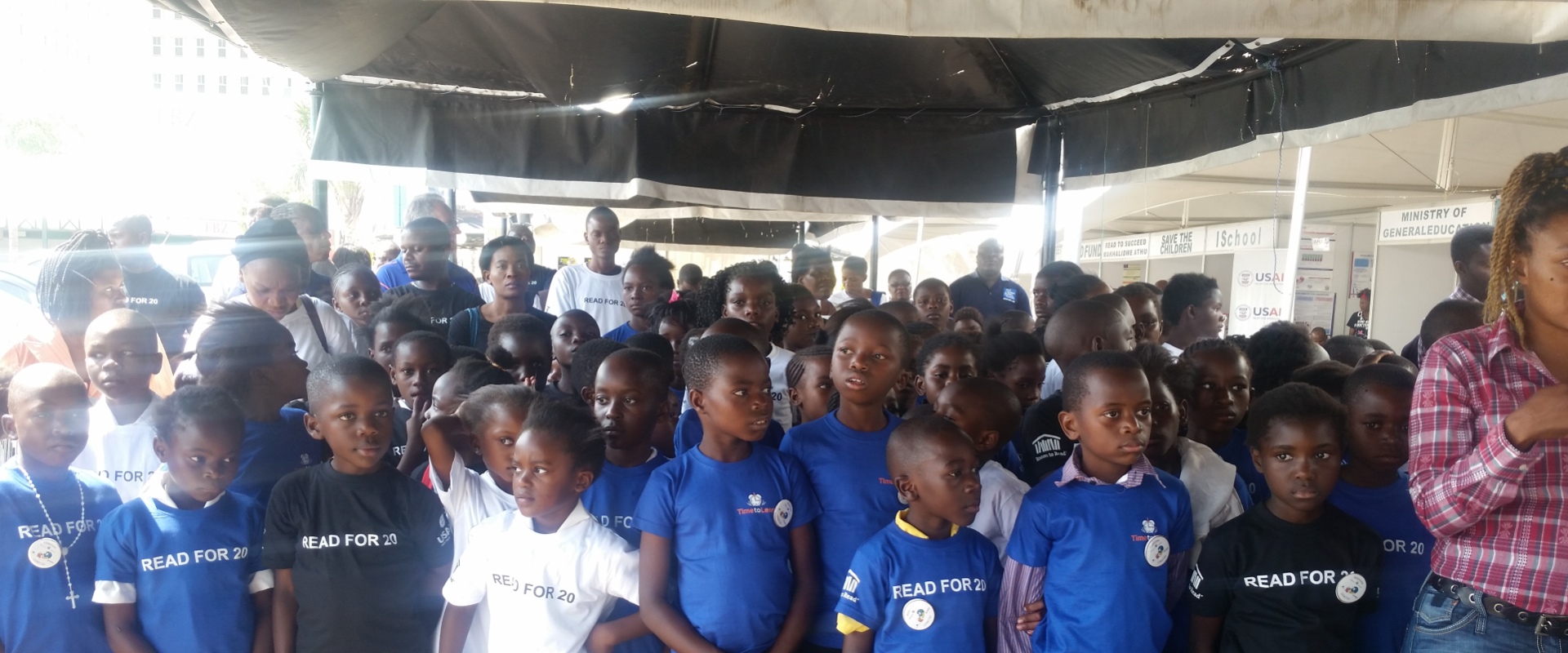
    Today, June 16th 2017, ZANEC joins the rest of the world in commemorating the Day of the African Child that is being observed under the theme; “Accelerating Protection, Empowerment and Equal Opportunities for Children in Zambia by 2030 through Child Participation”. It is pleasing for the Coalition that this year’s theme is focusing on issues of protection, empowerment, equal opportunity and fostering child participation.

    On June 16, 1976, nearly ten thousand black students from Soweto, South Africa, marched on the streets of the city to protest on the quality of their education. This was to demonstrate their disapproval of the Black Education Act, which isolated students centered on their race. The day is each year commemorated to reflect on the massacre of the school children during the Soweto Uprising of 1976 who rejected the decision that was made without their participation or involvement. This shows how from way back children’s participation has been ignored in making decisions that impact on them. Since then, Day of the African Child is commemorated beyond race issues to include all other rights of the African child as espoused in the United Nations Convention on the Rights of the Child and the African Charter on the Rights and Welfare of the Child.

    Time and again ZANEC has been echoing the need for an inclusive education system that provides an enabling environment for children in Zambia. Children at all levels of the education system from Early Childhood, Primary, Secondary way through to tertiary level are faced with various challenges. Among some of the challenges being faced by the children include inadequate access to quality education, inadequate parental involvement in providing basic Sexual Reproductive Health Information to empower the children in the teen age group to make informed decisions, child marriages and inadequate platforms that are created to foster child participation to mention but a few of the challenges being faced by children especially those in the rural parts of Zambia. It is important for Child Participation to be fostered at all levels so that they can also have a voice on issues that affect them and provide solutions to those issues.

    ZANEC further expresses concern on the inadequate learning facilities for Children with Special Education Needs (CSEN). It is sad to note that these children especially at Early learning level are not being adequately catered for, less still not being provided for space to enable their participation at various levels. ZANEC calls on all stakeholders to ensure that children with Special Education Needs are provided with the needed support so that they are also able to fully enjoy the basic right of access to quality education services.

    ZANEC recommends coordinated efforts by Ministry of General Education, Ministry of Health and Ministry of Community Development and Social Welfare to work hand in hand so that children with special education needs are identified at any early stage to enable them access all levels of education.

    As we commemorate the Day of the African Child, ZANEC challenges every Zambian to join in fighting the predicaments faced by children of all age groups and play a role in addressing issues affecting children at household, school and way through to the national level. As the saying goes: “One’s child, is everybody’s child”.


    _____________________

    Grace B. Manyonga (Ms.)

    EXECUTIVE DIRECTOR
  • Up investment in girls education’

    Up investment in girls education’

    First Lady Esther Lungu has called for increased investments towards girls and women’s education covering early childhood to tertiary levels.

    Mrs. Lungu says access to education will create pathways to economic justice for vulnerable girls and women.

    The First Lady says education will also enable young women and adolescent girls to effectively participate in decision making at various levels in society.

    Mrs. Lungu said this when she addressed a high level discussion forum on Pathways to Economic Justice for adolescent girls and young women at the United Nations headquarters in New York.

    This is on the sidelines of the ongoing 61st Session of the Commission on the Status of Women Conference.

    The First Lady also called for the need to address gender disparities, and flawed labour practices, noting that pregnant women are usually discriminated against at work places.

    And Africa Union’s Goodwill Ambassador for Ending Child Marriages, Nyaradzayi Gumbonzvanda thanked Mrs. Lungu and the Zambian government for the political will towards enhancing the welfare of girls and women in Zambia.

    Mrs Gumbonzvanda bemoaned the continued illicit financial outflows of billions of dollars from Africa at a time the continent is facing huge drop outs of girls and women from schools..

  • Govt to better education

    Govt to better education

    Minister of General Education  Dennis Wanchinga says there is need to explore alternative ways of constructing school infrastructure and teachers accommodation.

    Dr. Wanchinga says expansion of school infrastructure is important so that children and young people are accorded the opportunity to learn.

    The Minister says the 2015 statistics show a discrepancy between the number of primary schools against the number of Secondary Schools.

    He was speaking this morning during the dialogue forum on cost -efficient school infrastructure.

    Dr. Wanchinga explained that the 2017 budget for education is Nine point Two Billion Kwacha and that only six point nine percent is on infrastructure.

    And Minister of Housing and infrastructure Development  Ronald Chitotela has challenged engineers to ensure infrastructure being put up is durable.

    Mr. Chitotela says he is concerned that during the 2016/2017 rain season, a number of schools across the country had their roofs blown off.

    Mr. Chitotela also expressed concern that Government will have to spend in excess of One Million U.S Dollars at KAZUNGULA Boarding Secondary school because the infrastructure and drainage system are not good.

    Meanwhile, Minister of Gender  Victoria Kalima has welcomed the move to dialogue on cost efficient school infrastructure saying there is need to have more schools especially in rural areas where a girl child has to walk a long distance to access education.

    At the same function. UNICEF Zambia Representative Hamid El-Bashil said the organisation is committed to help the ministry of General education so that more girls and boys access education.

    Mr. Ibrahim said UNICEF has helped construct Malabo primary school in the flood plains in western province.

  • Vodafone Zambia hails education in youth empowerment agenda

    Vodafone Zambia hails education in youth empowerment agenda

    Vodafone Zambia Chief Executive Officer (CEO), Lars Stork has stressed the important role education plays in equipping young people with the tools they need to flourish an increasingly digital Zambia.

    His comments came in view of Youth Day, which is commemorated annually on March 12, as an opportunity for governments and the private sector to draw attention to youth issues.

    “A key pillar in our strategy is a tremendous focus on the youth segment. In Zambia, roughly 60 per cent of the population is below 25 years of age, signalling an impressive pool of talent and immense capacity just waiting to be tapped into. The current trend in the use of digital media across the nation, in demographic terms, fully underscores the vital importance of supporting this segment,” said Mr Stork.

    Mr. Lars Storks – CEO Vodafone Zambia

    Mr Stork emphasised education is a powerful antidote to poverty and leaders in both the public and private sectors must seize every occasion to put their full support behind providing Zambia’s youth with a quality education, further paving the way for economic growth in the country.

    Therefore, the 4G operator, which has set up Wi-Fi hotspots in major institutions of higher learning to align advancements in technology with education, will be offering all students on the network with a 100 per cent Wi-Fi bonus to utilise on campus as they please.

    “Flexible learning and mobility is the future of IT. A good wireless network must be installed to allow schools to embrace this mobility to ensure learning is aligned with current technology trends. Almost all devices used for learning require a wireless connection or are wireless enabled.

    “What we’ve learnt is that Wi-Fi is no longer a luxury in education – it’s a key ingredient. There is data supporting the claim that poor Wi-Fi in colleges means an entire generation of technology, such as tablets, is not useable in classrooms, which puts limitations on learning. Therefore, Wi-Fi in education is vital,” added Mr Stork.

    Vodafone Zambia’s youth strategy is made manifest through a three-pronged youth strategy, which consists of a graduate development program, a student brand ambassador program, and a social media platform with primary focus on electronic learning.