Category: News

  • TERMS OF REFERENCE FOR GRANTS TO CONDUCT ACADEMIC RESEARCH ON ACADEMIC FREEDOMS IN HIGHER INSTITUTIONS OF LEARNING

    TERMS OF REFERENCE FOR GRANTS TO CONDUCT ACADEMIC RESEARCH ON ACADEMIC FREEDOMS IN HIGHER INSTITUTIONS OF LEARNING

    SMALL GRANTS TO STUDENTS IN INSTITUTIONS OF HIGHER LEARNING TO PROMOTE CRITICAL THINKING


    1. INTRODUCTION

    The Zambia National Education Coalition (ZANEC) is a network of Civil Society Organisations registered under the Registrar of Societies Act on 3rd July, 2002 on certificate number ORS/102/35/2581. The organisation currently has sixty-six Member Organisations comprising of Community Based Organisations, Faith Based Organisations, Non-Governmental Organisations and Teacher Trade Unions.

    The organization’s mandate is to coordinate civil society advocacy for quality, equitable and inclusive education for all Zambians. ZANEC’s focus is therefore on national plans and international frameworks that advance education in Zambia. Particularly, the Coalition takes interest in the provision of quality education services. 

    Zambia over the years has seen unprecedented growth in the number of students seeking higher education in public universities. This is evidenced from the growth in numbers of pubilc universitiies to approximately 9. Public universities are shrouded in high lecturer and  student ratios, little or more so no money for research and development let alone resources for management and administrative support. The quality of learning in private institutions also remains a concern of the coalition. As such the intervention is targeted on both private and public organisations.

    There is a huge push by government especially in public universities to ensure Institutions of Higher Learning are “conservative” and do not process any liberal views. As higlighted in the study on Academic Freedoms conducted by ZANEC in 2015, the observation is particularly unique to a country like Zambia under a multi-party dispensation, it is a common place to label a researcher, student and lecturer as ‘supporters’ of the opposition even when research evidence is reflective of the reality obtaining on the ground.

    Institutions of Higher Learning like UNZA as a case in point have seen the design and implementation of their learning process change; where tutorials which are an individualized teaching/learning process intended  to mentor, assess and broaden critical thinking outside the ordinary lecture room are phasing out due to large class sizes. The University Student Population stands at over 30, 000 as reported by the Public Relations and International Liaison Manager at University of Zambia and yet operating with the same infrastructure as when  it was established in 1966 with a student population of 312. Programmes to expand existing infrastructure is not matched with the required resources. Institutions of Higher Learning are characterized by overcrowded lecture rooms in a bid to bridge its resource gap and finance the institution. This in turn significantly compromises the quality of learning needed for students to make any meaningful contribution to society. In addition, there are no deliberate policies or initiatives to ensure inclusivity is taken into consideration, in line with the country’s Seventh National Development Plan which states that “No one should be left behind”. The foregoing is a clear indication of how the increasing student population does not match staffing levels hence directly impacting on academic freedoms and quality of education received in Institutions of Higher Learning.

    ZANEC through its advocacy work has noted with concern the continued declining teaching standards affecting Higher Institutions of Learning . The Coalition, with the funding from SAIH, envision to promote critical thinking by providing research grants to students. This call is the third round. The past two rounds have seen students research several topics such as Female Lecturers’ Participation in Higher Administrative Leadership Positions in  Universities, Possible Effects of Abolishing Students Meal Allowances on University of Zambia Students’ Academic Achievements, Determinants of Programme Choices by students in Higher Institutions of Learning.

    • PURPOSE OF RESEARCH

    To proactively influence and strengthen the competence of students in research

    • Specific objective:
    • to promote critical thinking as an exercise of academic freedoms in institutions of higher learning
    • SCOPE OF WORK

    Successful applicants will be expected to conduct academic style research on various topics relating to, but not limited to, Academic Freedoms in Zambia, gender, decolonisation of Education and Equality. Preference will be given to research topics focused on female participation and inclusive societies.

    • KEY DELIVERABLES
      • Research proposal  by students highlighting focus of research;
      • Letter of commitment to be available for the entire 3 months research process.    
    • Timely submission of approved proposal and data collection tool, first and second draft and final word and PDF version of research reports.
      • Participate in dissemination platforms of their research as agreed with ZANEC Secretariat.
      • Complete research report – submission of research work.
    • REQUIRED COMPETENCIES
    1. Must be a student at any institution of higher learning in Zambia.
      1. Must be second and third year student at the named institutions.

    Female students and students from Private Institutions are encouraged to apply.

    The Executive Director,

    Zambia National Education Coalition,

    Baptist Fellowship Building,

    Plot 3061/2 Corner Makishi and Great East Road,

    P.O. Box 30774,

    Lusaka-Zambia,

    Email: admin@zanec.org.zm

    *Any application sent in without a proposal and commitment letter will not be processed.
  • ZANEC PRESS STATEMENT ON THE GRADE 12 EXAMINATIONS RESULTS

    ZANEC PRESS STATEMENT ON THE GRADE 12 EXAMINATIONS RESULTS

    Zambia National Education Coalition (ZANEC) has noted that the 2019 grade 12 examination results as announced by the Minister of General Education has shown improvement compared to the previous year. The Coalition is however not happy that the improvement in performance by the candidates who obtained certificates shows a very marginal increase in pass rates from 63.44% in 2018 to 65.32% in 2019. Overall, the results show that much still needs to be done in order for more candidates to obtain full Grade 12 certificates and these include investing the vocational career path, recruiting enough teachers annually and increasing the financing of education inputs and operational costs. For instance, our strong view is that all pupils must graduate with a certificate in either vocational skills or academic career path. Therefore, we would like to urge the Ministry of General Education to invest in the Vocational and Skills career path to ensure that no pupils are declared to have failed their examinations after 12 years of being school. There is also need for the Ministry of General Education to establish why some provinces are performing better than others so as to ensure quality education is delivered to all children in all schools.   

    Additionally, ZANEC notes with great disappointment the increased number of candidates who were absent from Grade 12 Examinations estimated at 2,677 in 2019. This represents an increase of 28.4% in 2018 which had 1,916 learners that were absent.  The issue of absenteeism needs to be addressed as most of our learners end up not having a School Certificate. 

    Furthermore, the Coalition notes with concern that candidates performed least in natural sciences and mathematics in a country where Science, Technology, Engineering and Mathematics (STEM) subjects are currently being promoted. The high failure rate in mathematics and sciences can be attributed to the fact that they are among the subjects that have a high pupil teacher ratio and also the fact that in 2019 there was no recruitment of teachers. This is sad considering the high loss of teachers annually due to resignations, promotion to management positions, retirements and deaths which is estimated at 4,500 annually. We therefore call upon the Ministry of General Education

    to recruit more teachers in STEM subjects as part of the expansion of the secondary school subsector to complement  the ongoing infrastructure expansion programme. 

    ZANEC commends the Ministry of General Education and the Examinations Council of Zambia (ECZ) for having reduced examination malpractices for 2019 to 179 cases.

    For/ZANEC

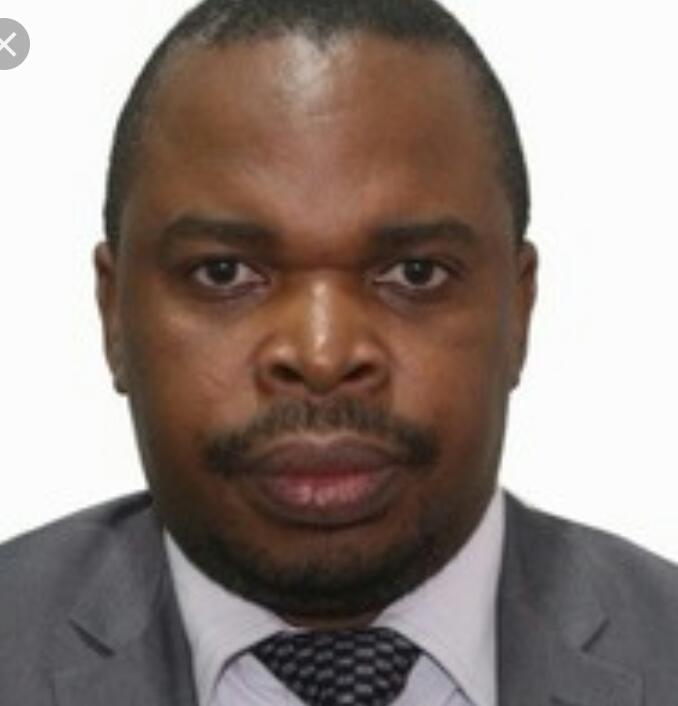
    George Hamusunga

    EXECUTIVE DIRECTOR

    Issued on 17th February, 2020

  • MEDIA STATEMENT ON THE GASSING OF LEARNERS IN SCHOOLS DELIVERED BY THE ZAMBIA NATIONAL EDUCATION COALITION DIRECTOR MR. GEORGE HAMUSUNGA ON 14TH FEBRUARY 2020

    MEDIA STATEMENT ON THE GASSING OF LEARNERS IN SCHOOLS DELIVERED BY THE ZAMBIA NATIONAL EDUCATION COALITION DIRECTOR MR. GEORGE HAMUSUNGA ON 14TH FEBRUARY 2020

    The Zambia National Education Coalition would like to express concern on the reported cases of gassing using unknown poisonous chemicals that took place at Lufwanyama Secondary School in Copperbelt, Maheba Boarding School in Kalumbila District in North-Western, Northmead Primary School in Lusaka and Kabwe Nursing School among others. It is unfortunate that these incidences have the potential to disrupt the teaching and learning processes in our schools and colleges. These incidences can also instill fear especially among our pupils and students in the targeted schools and colleges. To this effect, we would like to call upon the Ministry of General Education and the Ministry of Higher Education to issue a directive to all schools and colleges advising managements to heighten their security so that criminals do not have access to our schools and colleges. It is our hope that the college and school managements will collaborate with local Police Stations and local community structures such as Parent Teachers’ Associations and School Boards in putting in place adequate measures to secure the safety of our learners in our schools and colleges. This will help reduce anxiety and worries among the children and parents alike.

    Finally, we would like to thank management from Northmead Primary School and the Police for their quick action that led to the arrest of the gassing suspect and it is our hope that all managements and learners will strengthen their collaboration with the Police in providing maximum security to our schools. For the affected schools and colleges, it is our hope that management in the affected institutions will also provide relevant counseling services to the learners.

    For/ZANEC

    George Hamusunga

    EXECUTIVE DIRECTOR

  • ZANEC PRESS STATEMENT ON THE INTERNATIONAL DAY OF EDUCATION

    ZANEC PRESS STATEMENT ON THE INTERNATIONAL DAY OF EDUCATION

    The Zambia National Education Coalition (ZANEC) is pleased to join the rest of the world in commemorating the International Day of Education that falls today the 24th of January 2020. This day was proclaimed by the United Nations General Assembly in December 2018 to honour education and its positive impact to human beings and fostering sustainable development of the UN member countries. The 2020 celebrations are designed to position education and learning as humanity’s greatest renewable resource and re-affirm the role of education as a fundamental human right and enabler of the 2030 Agenda for sustainable development.

    This year’s theme which is “Learning for people, planet, prosperity and peace”. Indeed, learning for people is very critical for developing people’s talents for inclusive development.  The human resource that is used in industries and work places has to be skilled and therefore education plays a major role in developing individuals, communities and countries to mitigate poverty, inequalities, improving people’s health and their well-being.  For instance, statistics have shown that women who are educated are able to take charge of their lives and also educate their children who later become financially independent thereby breaking the chain of poverty and inequalities. Additionally, education can play an important role in reducing or combating environmental degradation of our planet. Learning about the planet is very crucial in moulding our children at all levels of education to take care of the environment and preserve nature. It is important to acknowledge that the impact of climate change is already in our midst as evidenced by the drought experienced last year and the floods we have experienced so far this year.

    Furthermore, education is also a proven door to prosperity and is therefore essential for individual growth economically, culturally, socially, and politically.  Education accords everyone regardless of their gender, tribe and race an opportunity to prosper in life.  For any country to prosper, it is important to invest in inclusive education of high quality. According to an analysis conducted by United Nations Education, Scientific and Cultural Organization (UNESCO), if all people completed secondary school, as called for by Sustainable Development Goal (SDG) 4, world poverty could be reduced by half. Additionally, countries like Japan have prospered economically because of huge investments in human resource skills development.  

    Research evidence also shows that education can catalyse and buttress peace, especially when there is equitable access for all. Education can also play a vital role

    in peace building and reconciliation. Education initiatives have a proven potential to

    help marginalized populations gain access to justice that contributes to peaceful societies. It is important to note that when people are educated, they are able to appreciate the value of peace and avoid conflict.

    It is however concerning to see that despite the overwhelming evidence on the vital role that education plays in accelerating economic growth, reducing inequality and eradicating poverty, Zambia’s investment in the education sector has remained low over the years. It is common knowledge that funding to the education sector in Zambia has been on the decline since 2015. Although we are oblivious of the per capita cost of providing quality education in our schools, there is no dispute whatsoever that the current education budget is inadequate to enable the delivery of quality education. The share of the education budget has reduced from 20.2% in 2015 to the current 12.4% representing a 39% decrease. As evidenced from our research, this low funding has resulted in most of our primary schools running without funds to procure essential education inputs. Worse still, the annual recruitment of teachers could not be undertaken in 2019 due to a limited education budget. Even the little funding that our parents were contributing to our schools has also been reduced by government at a time when the Ministry of General Education is constrained with funds to support our schools.

    This low investment in education and skills development sector has manifested itself in the poor quality of education at all levels. The 2018 PISA results released by the Organization for Economic Co-operation and Development (OECD) underscore the scope and magnitude of the contemporary learning crisis in Zambia. According to OECD, only 5% of 15 year old pupils achieve the minimum level of proficiency in reading in Zambia compared to 2% in mathematics. The report attributes these low learning achievement, among other factors, to inadequate funding which is below the internationally recommended standard of 20% of the national budget. As ZANEC, we would like to stress that unless government doubles its investment to the education sector immediately, the achievement of the national aspirations contained in the 7th National Development Plan and the vision 2030 of becoming a middle income country will forever remain a pipe dream. Therefore, we would like to urge the Ministry of General Education and the Ministry of Finance to realise that there is no successful formula to economic and social growth without factoring in the education component. There is no proven single sector that contributes more to development – not even the roads. Therefore, our call to action for the Ministry of Finance is that they must place a great premium in financing our education system if they would like Zambia to achieve economic and social progress.

    For/ZANEC

    George Hamusunga

    EXECUTIVE DIRECTOR

  • ZANEC PRESS STATEMENT ON THE FORTHCOMING GRADE 7, 9 AND 12 EXAMINATIONS SCHEDULED TO START ON 1ST NOVEMBER 2019

    ZANEC PRESS STATEMENT ON THE FORTHCOMING GRADE 7, 9 AND 12 EXAMINATIONS SCHEDULED TO START ON 1ST NOVEMBER 2019

    ZANEC is pleased to note that the Ministry of General Education, through the Examinations Council of Zambia has provided good leadership to stakeholders over the last one year in driving examination reforms following the examination malpractices experienced last year. We are particularly pleased to see that the Ministry has started implementing some of these policy measures aimed at improving the administration of examinations such as the limiting of the examination period to only one month, the separation of practical examinations from the theory and the rezoning of examination centers. Through these policy reforms, the Ministry of General Education has demonstrated political will in securing the credibility of examinations at all levels. However, in order to implement these policies and ensure the smooth administration of examinations, there is need for the Ministry of Finance to prioritize the disbursement of adequate funding to the Ministry of General Education to enable the effective implementation of the proposed policy measures.  

    Our engagement with the relevant Ministry Officials has shown that the Ministry of General Education has done everything within their means to adequately prepare for the 2019 Grade 7, 9 and 12 examinations, with all the examination papers delivered to the respective centers in time. More important also, the Ministry has adopted a multi-sectoral approach to the administration of the examinations that involves the participation of other Ministries in providing logistical and related support, including monitoring social media platforms for potential examination leakages. It is our hope that the Ministry of General Education will intensify their surveillance initiatives against examination leakages throughout the month of November and ensure that all the culprits that will be found wanting are dealt with decisively in order to deter potential offenders.

    Our message to the children, parents and teachers is that they must all ensure that they avoid engaging in examination malpractices to avoid being visited by the long arm of law. AS ZANEC, we would like our examinations to remain a credible litmus for assessing the relevant competences of our pupils as well as a reliable decision making tool for selecting students that should transition to the next level of their education. To this effect, ZANEC would like to wish all the Grade 7, 9 and 12 candidates that will be writing beginning 1st November great success in their examinations.

    For/ZANEC

    George Hamusunga

    EXECUTIVE DIRECTOR

  • ZANEC PRESS STATEMENT ON WORLD TEACHERS’ DAY

    ZANEC PRESS STATEMENT ON WORLD TEACHERS’ DAY

    Zambia National Education Coalition (ZANEC) is always excited to commemorate World Teacher’s Day which falls on 5th October.  As ZANEC, we celebrate our teachers because of the very important role they play in shaping the future of individuals in our beloved country and society at large. Teachers are indeed the cornerstone of our Education and Skills system because they mould our learners from Early Childhood Education (ECE) up until tertiary education.  Teachers Day is therefore celebrated to set a benchmark regarding the rights and responsibilities of teachers. World Teachers Day is the occasion which shows the progress achieved in resourcing our schools and the remaining challenges in the teaching profession.

     This year’s theme which is “Young Teachers: the future of the profession” affirms teachers’ critical role in the delivery of education. The theme calls for young people who take teaching as a career to uphold the professional ethics in order for the profession to thrive. It is important that the young teachers are disciplined so that they are capable of inculcating the appropriate knowledge and values in the learner that inspire positive social, cultural, economic and political progress. A teacher is thus a mentor who guides learners through the ladder of education.

    The Sustainable Development Goal number 4 C recognizes teachers being key to the achievement of the education 2030 agenda. The Sustainable Development Goal number 4.c specifically states that by 2030, governments should substantially increase the supply of qualified teachers, through international cooperation for teacher training in developing countries, especially least developed countries and small island developing states. It is therefore important that our teachers are trained in a professional manner so that they can impart the relevant knowledge and skills to the learners.

    It is therefore important for all teachers including those that are entering the profession to be aware of the Code of Conduct for the teaching profession. All the teachers in Zambia should be conversant with the provisions contained in the Teaching Profession Act. As role models, teachers must adhere to the professional code of ethics. A professional code of ethics outlines teachers’ main responsibilities to their students and defines their role in the lives of students. Above all, teachers must demonstrate integrity, impartiality and ethical behaviour in the classroom and in their conduct with parents and co-workers. Teachers must wholly be committed to the teaching profession and ensure that the classroom is safe, secure and devoid of any form of bullying, hostility, dishonesty, neglect or offensive conduct. Teachers must also fulfil all their obligations, obey school policies and account for all funds and resources at their disposal. It is the responsibility of teachers to design lesson plans to meet set standards and create a well-rounded education system that appeals to a wide range of learners.

    The Teaching Profession Code of Conduct also demands attentiveness to continuing education requirements and career development. Teachers should be able to research new teaching methods, attend classes to maintain their certifications, consult colleagues for professional advice, participate in curriculum improvements and stay up to date on technical advancements for the classroom. It is the duty of teachers to ensure that they use innovative teaching methods that are participatory, relevant and comprehensive. Teachers must also engage in educational research to continuously improve their teaching strategies.

    Additionally, we also take the opportunity to commend the Teaching Council of Zambia as well as Teaching Service Commission for the work they are doing in ensuring that teachers adhere to their professional ethics. The Coalition would however like to call upon all teacher training colleges to ensure that they provide quality training to their students. This will help in ensuring graduate teachers are well equipped to manage the robust learning curriculum when they are deployed in schools. We would also like to call upon government to increase the number of teachers being deployed from 2,009 recruited in 2018 to at least 5,000 in order to reduce the current teacher deficit being experienced especially in rural areas.

    Last but not the least, ZANEC would like to take this opportunity to wish all the teachers in community schools, Early Childhood Education (ECE) centres, primary schools, secondary schools, tertiary institutions and Adult Literacy Instructors a happy and successful commemoration of the 2019 World Teacher’s Day.

    For/ZANEC

    George Hamusunga

    EXECUTIVE DIRECTOR

  • ZANEC Press Statement on the Low Budgetary Allocation to the Education Sector in the 2020 National Budget

    ZANEC Press Statement on the Low Budgetary Allocation to the Education Sector in the 2020 National Budget

    The 72 Member Organizations of the Zambia National Educational Coalition (ZANEC) would like to express their disappointment over the continued neglect of the education sector by government as demonstrated by the Ministry of Finance since 2016. The last three Ministers of Finance have collectively reduced the share of the education budget from 20.2% in 2015 to the recently announced 12.4% for 2020, representing a 39% reduction in the last four years. By neglecting education, the three Ministers of Finance have championed the race to the bottom for our education system. As you may be aware, current assessments jointly done by our Examinations Council of Zambia and the Organization Economic Cooperation and Development show that only 5% of Grade 7 pupils have minimum levels of proficiency in reading and 2% in mathematics. One of the main reasons cited as a cause of the poor quality of our education is inadequate funding. This in itself demonstrates that the education sector is experiencing a quality crisis which will continue if the funding levels do not improve.

    ZANEC is particularly disheartened that the budget to Early Childhood Education, which is a foundation for a solid education system, continues to receive diminishing funds. The 2020 budget has only allocated K11.2 million compared to the K13.9 received in 2019 showing a decline of 19%, while basic education and secondary has received slight increases. The fact that there is less money in the national budget does not justify the display of lack of political will to invest in the very foundation of our education. The same can be said for Youth and Adult Literacy which allocation has reduced by 30%, yet it is a major strategy to ensure youths and adults who fall out of school stay functionally literate and are able to effectively contribute to national developments.

    The Coalition notes that in the 2020 education budget allocation government is resolved to complete infrastructure projects so as to improve access and quality which is commendable; the earmarking of the Skills Development Fund to support the Out of School youths and adults to acquire entrepreneurial skills is commendable. The Coalition further calls for the prudent and accountable use of generated revenues under the Skills Fund. The Coalition in the same vain calls for the need to accelerate purchase of equipment for the Skills Training Centers in the 2020 budget cycle and done in an equitable manner to allow all Skills Training Centers benefit from the fund.

    Additionally, the government proposes to spend 2 billion for University Education an increase from the 1.1billion allocated to University Education in the 2019 budget. The Coalition is concerned on the government’s failure to allocate more resources to the Loans and Scholarship Scheme which remains at a constant of K557, 000; hence perpetuating Higher Education as a preserve of those who are financially capable. On the other hand the completion of ongoing construction of hostels in the three public universities Mulungushi, Copperbelt and University of Zambia is a welcome move as this will allow for a more conducive learning environment for students and ultimately provide for quality provision of services.  

    We therefore wish to demand answers from the Ministry of Finance to educate us on how our economy can grow without education? The austerity measures notwithstanding, any government should know that education cannot be sacrificed over anything as it is the bedrock of any development. This is the more reason that Dr. Kenneth Kaunda promoted free education whose benefits we are now celebrating. It is sad that the same products of free education do not see any reason for having an     educated generation. If this is not addressed, future generations will have more illiterate citizens such that Zambia will start importing most of its manpower from neighboring countries. What is happening in the education sector now is a clear betrayal of our next generations as we are depriving them of the opportunity to enjoy the same benefits that we are now enjoying as a result of the sacrifices our people made by increasing investment in education after independence. They did so not that they had excess resources, but because of the value they attached to education. Therefore, we do not agree that government has no money to invest in education, what is lacking is the political will to do it.    

    To ZANEC and its members, the current budget epitomizes a missed opportunity for transforming our education system which is currently experiencing a quality crisis. The fact that government has continued to fund salaries only to a large extent, remains inadequate to transform our education system. For this reason, we have no doubt whatsoever that the spill-over effect of the inadequate financing of education will manifest themselves in the failure by government to achieve most of the targets contained in the 7th National Development Plan, vision 2030 and the Education and Skills Sector Plan.

    For/ZANEC

    George Hamusunga

    Executive Director

  • ZANEC STATEMENT ON THE TWO TEACHERS THAT WERE RAPED IN MUMBWA

    ZANEC STATEMENT ON THE TWO TEACHERS THAT WERE RAPED IN MUMBWA

    The Zambia National Education Coalition (ZANEC) is saddened by the news that appeared in the media in which two female teachers from Mumbwa District were reported to have been raped by unknown thugs. The two incidences were reported to have taken place in the early hours of Sunday15th September 2019.

    The Coalition would like to condemn the two acts which amount to sexual gender based violence against our few female teachers that are serving in rural areas. This is because these incidents have the potential to discourage female teachers from working in remote areas.  The presence of female teachers in rural areas is important as they do not only contribute towards the teaching processes, but they also serve as role models to female learners thereby motivating them to aspire to complete their education.

    Female teachers, regardless of the area they are working in our country should be safe and secure. There is need to step up security to protect our female teachers in our schools in all parts of the country. We call on the police and other relevant duty bearers to investigate this matter and bring the culprits to book. We should not allow this barbaric inhuman behavior to continue. The police should leave no stone unturned in ensuring that the perpetrators are found and severely punished to serve as a lesson to other would be perpetrators.  

    Finally, the Ministry of General Education should also ensure that the two teachers are securely accommodated, while they should also immediately provide psychosocial support services to the affected teachers to aid their quick recovery from the trauma they went through. 

    For/ZANEC

    George Hamusunga

    EXECUTIVE DIRECTOR

  • SPEECH TO BE READ BY THE ZANEC BOARD MEMBER MR. CHISENGA MUMBA DELIVERED DURING THE WORLD LITEARACY DAY HELD ON 10TH SEPTEMBER, 2019 IN NDOLA, CENTRAL PROVINCE

    SPEECH TO BE READ BY THE ZANEC BOARD MEMBER MR. CHISENGA MUMBA DELIVERED DURING THE WORLD LITEARACY DAY HELD ON 10TH SEPTEMBER, 2019 IN NDOLA, CENTRAL PROVINCE

    THE GUEST OF HONOUR,

    GOVERNMENT OFFICIALS PRESENT,

    CIVIL SOCIETY ORGANISATIONS PRESENT,

    MEMBERS OF THE PRESS,

    LADIES AND GENTLEMEN,

    MAY I SIMPLY SAY ALL PROTOCOLS OBSERVED.

    LADIES AND GENTLEMEN,

    IT IS MY SINGULAR HONOUR AND PRIVILEGE TO DELIVER THIS SPEECH ON BEHALF OF THE ZAMBIA NATIONAL EDUCATION COALITION (ZANEC) AND THE BROADER CIVIL SOCIETY.  FOR THOSE OF YOU WHO MAY NOT BE AWARE, ZANEC IS AN UMBRELLA ORGANISATION OF NGOS WORKING IN THE EDUCATION AND SKILLS SECTOR. CURRENTLY, ZANEC HAS 72 MEMBERS THAT INCLUDE COMMUNITY BASED ORGANIZATIONS, FAITH BASED ORGANIZATIONS, NON-GOVERNMENTAL ORGANIZATIONS, TEACHER TRADE UNIONS AND STUDENT UNIONS WORKING IN THE EDUCATION SECTOR COUNTRYWIDE. OUR MISSION IS TO SERVE AS A NATIONAL COALITION OF EDUCATION ORGANIZATIONS PROMOTING QUALITY AND INCLUSIVE EDUCATION FOR ALL THROUGH RESEARCH, ADVOCACY AND MEMBER CAPACITY BUILDING.  ZANEC MAINLY WORKS THROUGH FIVE EDUCATION THEMATIC SUBSECTORS NAMELY EARLY CHILDHOOD, CARE, DEVELOPMENT AND EDUCATION (ECCDE); PRIMARY AND SECONDARY EDUCATION; GENDER EQUALITY; TERTIARY AND SKILLS DEVELOPMENT; AND THE YOUTH AND ADULT LITERACY SUBSECTOR.

    LADIES AND GENTLEMEN

    WE ARE EXCITED AS A COALITION TO BE PART OF THIS YEAR’S COMMEMORATION OF THE WORLD LITEARACY DAY, THE REASON FOR WHICH WE ARE ALL GATHERED HERE. AS YOU ARE AWARE, THE MAIN CHALLENGE THAT OUR EDUCATION SYSTEM IS CURRENTLY FACING IS THE LOW LITERACY LEVELS EVEN AMONG OUR CHILDREN AT PRIMARY SCHOOL LEVEL.  AS WE HEARD FROM OUR EXPERTS DURING THE NATIONAL SYMPOSIUM PRESENTATIONS YESTERDAY, SOME RECENT STUDIES SHOW THAT ONLY 5% OF OUR GRADE 7 PUPILS ARE ABLE TO READ AND WRITE. THIS IN ITSELF SHOWS THAT OUR EDUCATION SYSTEM IS EXPERIENCING A LITEARACY CRISIS AND SOMETHING NEEDS TO BE DONE NOW TO REVERSE THE CURRENT STATUS.

    THIS YEAR’S THEME LADIES AND GENTLEMEN, WHICH IS “LITERACY AND MULTI – LINGUALISM” RE-AFFIRMS THE IMPORTANT ROLE THAT LITERACY PLAYS IN A PERSON’S WELLBEING AND THE ABILITY TO CONTRIBUTE TO NATIONAL DEVELOPMENT. LITERACY, WHICH SIMPLY REFERS TO ONE’S ABILITY TO READ AND WRITE IS IMPORTANT ESPECIALLY IN THIS ERA WHERE ALMOST ALL FORMS OF TRANSACTIONS REQUIRE SOME LEVEL OF PROFICIENCY IN READING AND WRITING.

    KNOWING HOW TO READ AND WRITE IN YOUR MOTHER LANGUAGE ALONE IS INADEQUATE ESPECIALLY IN THIS MODERN GLOBAL VILLAGE.  INSTEADY, HAVING PROFICIENCY IN MULTIPLE LANGUAGES BECOMES IMPORTANT FOR EFFECTIVE INTERCULTURAL INTERACTION, SOCIALISATION AND GLOBAL DEVELOPMENT. HAVING A WORKING KNOWLEDGE OF MANY LANGUAGES IS ALSO KEY IN FOSTERING PEACE AND STABLE ECONOMIC DEVELOPMENT. IN A GLOBALISED WORLD LIKE THE ONE WE LIVE IN, BEING ABLE TO NEGIOCIATE AND BARGAIN IN PEOPLE’S NATIVE LANGUAGE, WHETHER IT BE CHINESE, ENGLISH OR FRENCH, INCREASES THE CHANCES OF BUILDING LASTING ECONOMIC RELATIONSHIPS. THIS IS BECAUSE PEOPLE ARE MORE LIKELY TO UNDERSTAND AND TRUST YOU WHEN YOU SPEAK THEIR LANGUAGE.

    LADIES AND GENTLEMEN

     ZANEC NOTES WITH SADNESS, HOWEVER, THAT ILLITEARACY LEVELS REMAIN VERY HIGH IN ZAMBIA. AS EVIDENCED FROM THE DEMOGRAPHIC SURVEY PUBLISHED BY THE CENTRAL STATISTICAL OFFICE, 68 PERCENT OF WOMEN AND 83 PERCENT OF MEN BOTH AGED 15 TO 49 ARE LITERATE, WHILE ONLY 54 PERCENT OF RURAL WOMEN ARE LITERATE. 

    THIS LADIES AND GENTLEMEN UNDERSCORES THE URGENT NEED FOR GOVERNMENT AND STAKEHOLDERS TO PUT A PREMIUM ON PROMOTING LITERACY IF ZAMBIA IS TO ACHIEVE ITS EDUCATION SECTOR GOALS AND THE VISION 2030 OF NOT LEAVING ANYONE BEHIND.  THERE IS THEREFORE URGENT NEED TO PRIORITISE LITERACY IN OUR COUNTRY IN ORDER FOR US TO BENEFIT FROM THE INVESTMENT THAT WE ARE MAKING IN THE EDUCATION SECTOR.

    LADIES AND GENTLEMEN

    WE ALSO TAKE THE OPPORTUNITY TO APPEAL TO OUR GOVERNMENT THROUGH THE MINISTRY OF FINANCE TO ALLOCATE AT LEAST 20% OF THE NATIONAL BUDGET TO THE EDUCATION AND SKILLS SECTOR. THROUGH OUR ANALYSIS OF THE 2019 NATIONAL BUDGET TO THE EDUCATION AND SKILLS SECTOR, WE OBSERVED WITH CONCERN THAT THE ACTUAL ALLOCATION TO YOUTH AND ADULT EDUCATION HAD BEEN REDUCED BY 31%.

    LADIES AND GENLEMEN

    AM HAPPY TO INFORM YOU THAT YESTERDAY WE HELD A SUCCESFUL NATIONAL SYMPOSIUM ON LITERACY WHERE A NUMBER OF CONCERNS WERE DELIBERATED ON SUCH AS HOW TO IMPROVE LITERACY LEVELS IN OUR BELOVED COUNTRY. WE ARE HOPEFUL AS CIVIL SOCIETY THAT THE MINISTRY OF GENERAL EDUCATION AND ALL OF US STAKHOLDERS WILL ACT UPON THE RECOMMENDATIONS AND ACTION POINTS THAT WERE AGREED UPON AT THE SYMPOSIUM. IT IS OUR HOPE THAT OUR COLlEAGUES FROM THE MEDIA WILL ALSO WIDELY DISSEMINATE THE COMMUNIQUE ISSUED DURING THE SYMPOSIUM IN ORDER TO FOSTER INCREASED AWARENESS AND ACTION FOR IMPROVED LITERACY LEVELS IN OUR COUNTRY. FINALLY LADIES AND GENTLEMEN, I WOULD LIKE TO WISH ALL OF YOU A FRUITFUL WORLD LITERACY DAY COMMEMORATION. I THANK YOU AND MAY GOD BLESS YOU ALL.

  • TORs -TO CONDUCT A SURVEY TO ASSESS THE STUDENT LOANS AND SCHOLARSHIPS SCHEME IN ZAMBIA

    TORs -TO CONDUCT A SURVEY TO ASSESS THE STUDENT LOANS AND SCHOLARSHIPS SCHEME IN ZAMBIA


    1.0 BACKGROUND

    The Zambia National Education Coalition (ZANEC)’s core mandate is to conduct evidence-based advocacy for quality education for all Zambians. Thus, the organization has a niche for conducting research, analysis, monitoring and influencing. In addition, ZANEC is known for mobilising Civil Society Organisations and communities through its Member Organisations located in various parts of the country, giving the Coalition its national character.

    ZANEC, with support from Norwegian Student’s and Academics’ International Assistance Fund (SAIH) is working to advocate for access and quality service delivery in Institutions of Higher Learning. ZANEC’s vision is that everyone should have access to inclusive and good education. Implementation of this vision needs different stakeholders, including governments, international agencies, non-governmental organizations; unions and students movements.

    2.0 RATIONALE OF THE STUDY

    ZANEC seeks to commission a study to review access to the Loans and Scholarship scheme in Institutions of Higher Learning. Financial   exclusion   from   education   is   an   issue   in Zambia,   with   direct   and   associated   education costs prohibiting individuals from accessing education. As such, the Higher Education Loans and Scholarships Act, 2016 tries to address this challenge by  providing  the  grants, administration,  investment,  payment  and  recovery  of loans;  provide  for  the  administration  and  granting  of scholarships;  facilitate  the  mobilization  of  financial resources  for  loans  and  scholarships.  The Loans and Scholarship Scheme allows for the equitable and equal access of higher education through providing financing to qualifying Zambians.

    Currently the access to this fund has not been able to provide the envisioned levels of access in terms of financing to higher institutions of learning under the Scheme as several applicants have been left out. A case in point is the Copperbelt University where we saw students demonstrating due to their colleagues not being offered scholarships/Loans for the academic year 2019. This has been acerbated by the reduced expenditure to the Education and Skills Sector National Budget where the approved total National Budget has on average grown by 17% since 2015, the total education budget has grown by an average of 9% in nominal terms over the same period. Worse still, when expressed as a percentage of the national budget, the share of the National Education and Skills Sector Budget has experienced a steady decline from 2015 to date. Currently the Loans and Scholarship Scheme allocation under the Ministry of Higher Education budget for 2019was 1.3 % of the sector budget.

    ZANEC recognizes the pressure that such budgetary allocations have on the provision of higher education to every Zambian It is for this reason that ZANEC wished to commission an assessment of the Loans and Scholarship Scheme.  It is expected that the study will look into the financing trends, accessibility and quantify it by the number of beneficiaries by gender and academic cause since its inception.  It is envisioned that the assessment will increase the coalition body of knowledge for the purposes of continued advocacy for increased access.

    2.1Objective

    1. To generate evidence to advocate for increased financial support to Higher Education with the view to ensuring increased and equitable access to Loans and Scholarships to those who are disadvantaged, marginalized and or at risk of missing out.
    • Specific Objectives:
    1. To conduct a trend analysis of the Education and Skills Sector budgetary allocations that are meant for the purposes of financing the Loans and Scholarship Board.
    2. To conduct an analysis of the application and rewarding process.
    1. To investigate the best form of financing that will be beneficial and impactful to the provision of financing to higher education.
    2. To assess the recipients of the Loans and Scholarship Scheme to determine:
    1. Equity in allocation of recipients – gender break and career preference for scholarships.
    2. Adequacy versus number of applicants.
    3. c) Prudence in the management of the Loans and Scholarship fund.
    4. d) Analysis of the Skills fund and how it contributes to the provision of Loans

    and Scholarship Scheme.

    1. e) Analysis of academic pathways financed through the scheme.

    3.0 SCOPE OF WORK

    The consultant is expected to gather information to provide the following:

    1. Conduct an assessment of allocations and releases to the Loans and Scholarship Board from 2010 – 2018.
    2. The scope of work should follow a transparent and inclusive process of consultation of the diverse groups that make up the Education and Skills Sector.
    • Present a complete accepted report and power point summary of the findings for presentation at a stakeholders’ meeting convened specifically for this purpose by the ZANEC Secretariat.

    4.0 DELIVERABLES AND DURATION OF CONSULTANCY

    The assignment is expected to be completed within 8 working days and timeframes are to be jointly agreed between ZANEC Secretariat and the consultant, with the following deliverables.

    1. Inception report with proposed data collection methodologies and proposed time frames for deliverables.
    2. First and second draft of the research report for review.
    3. Present the second draft assessment report at a stakeholders’ meeting.

    5.0 REQUIRED COMPETENCIES

    • Must have at least a Master’s Degree in Education or related field.
    • Proven experience and track record in policy analysis.
    • Strong communication skills both oral and written English.
    • Ability to devote full time to the assignment and meet deadlines.

    PLEASE SUBMIT YOUR APPLICATIONS BY THE 30TH OF AUGUST 2019 TO:

    The Executive Director

    Zambia National Education Coalition (ZANEC)

    Baptist Fellowship Building

    Conner of Makishi and Great East Road,

    Plot 3061/2

    Lusaka, Zambia

    Telephone number +26011226422

    Or e-mail: admin@zanec.org.zm